
Two weeks across western Japan, following work done by hand.
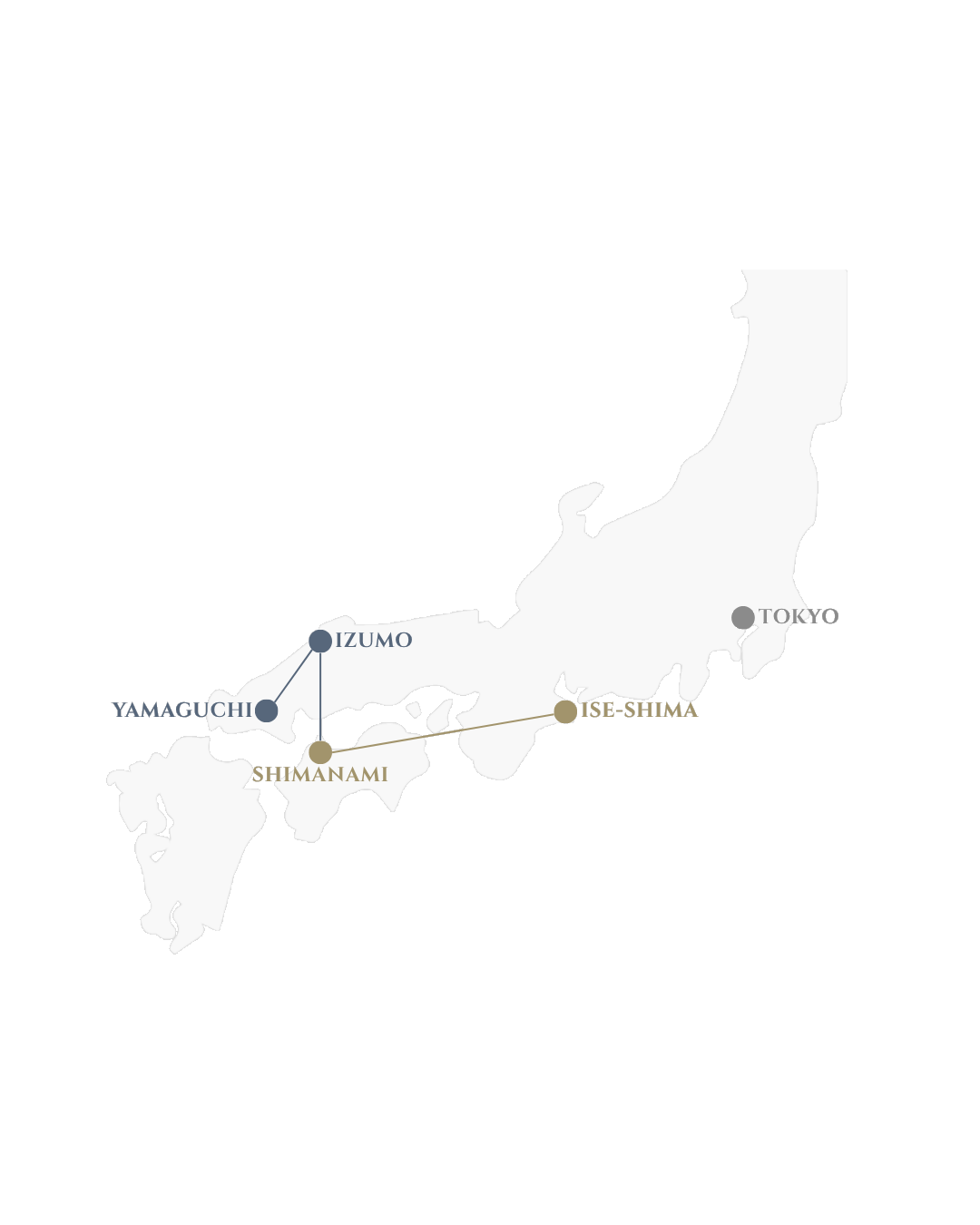
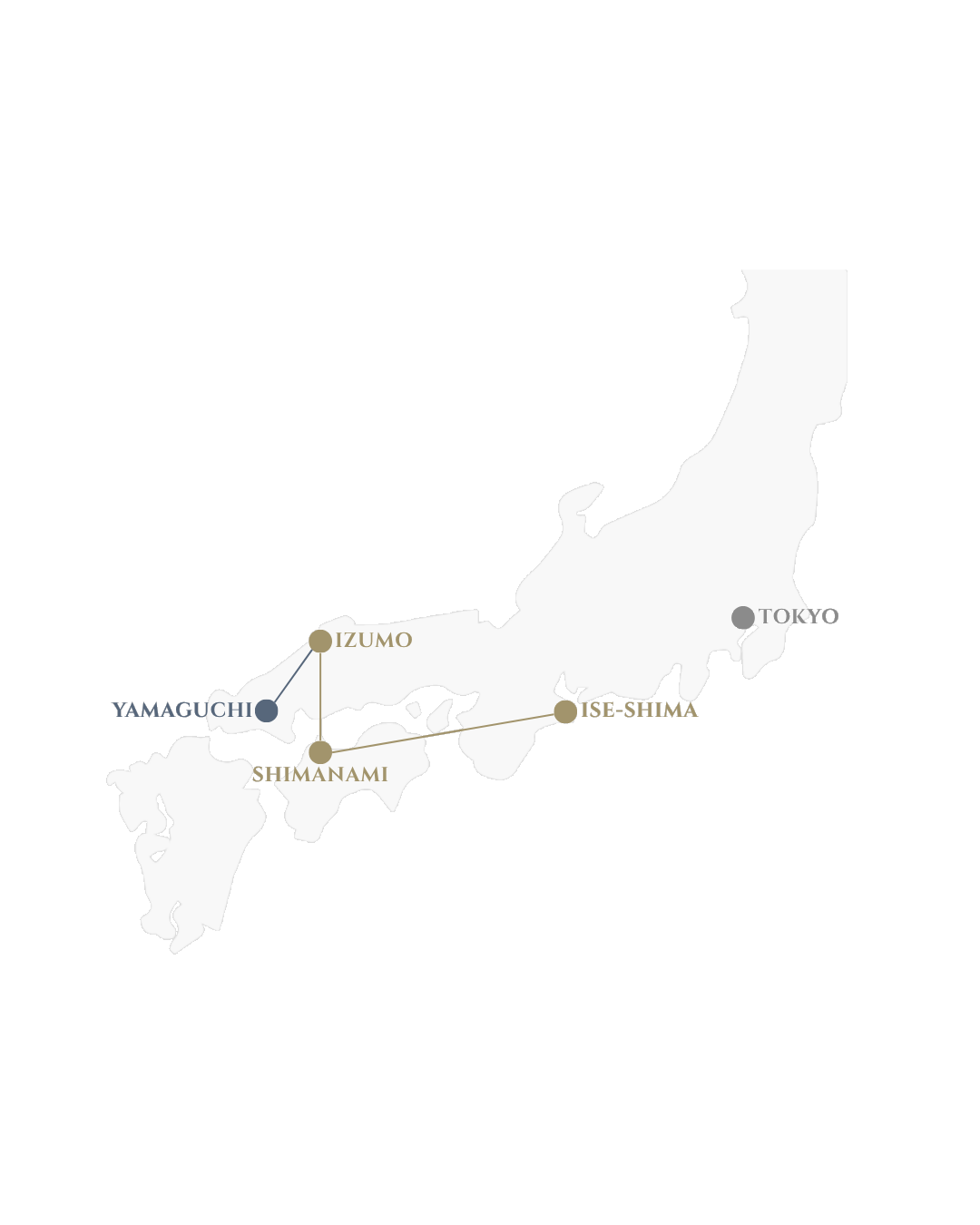
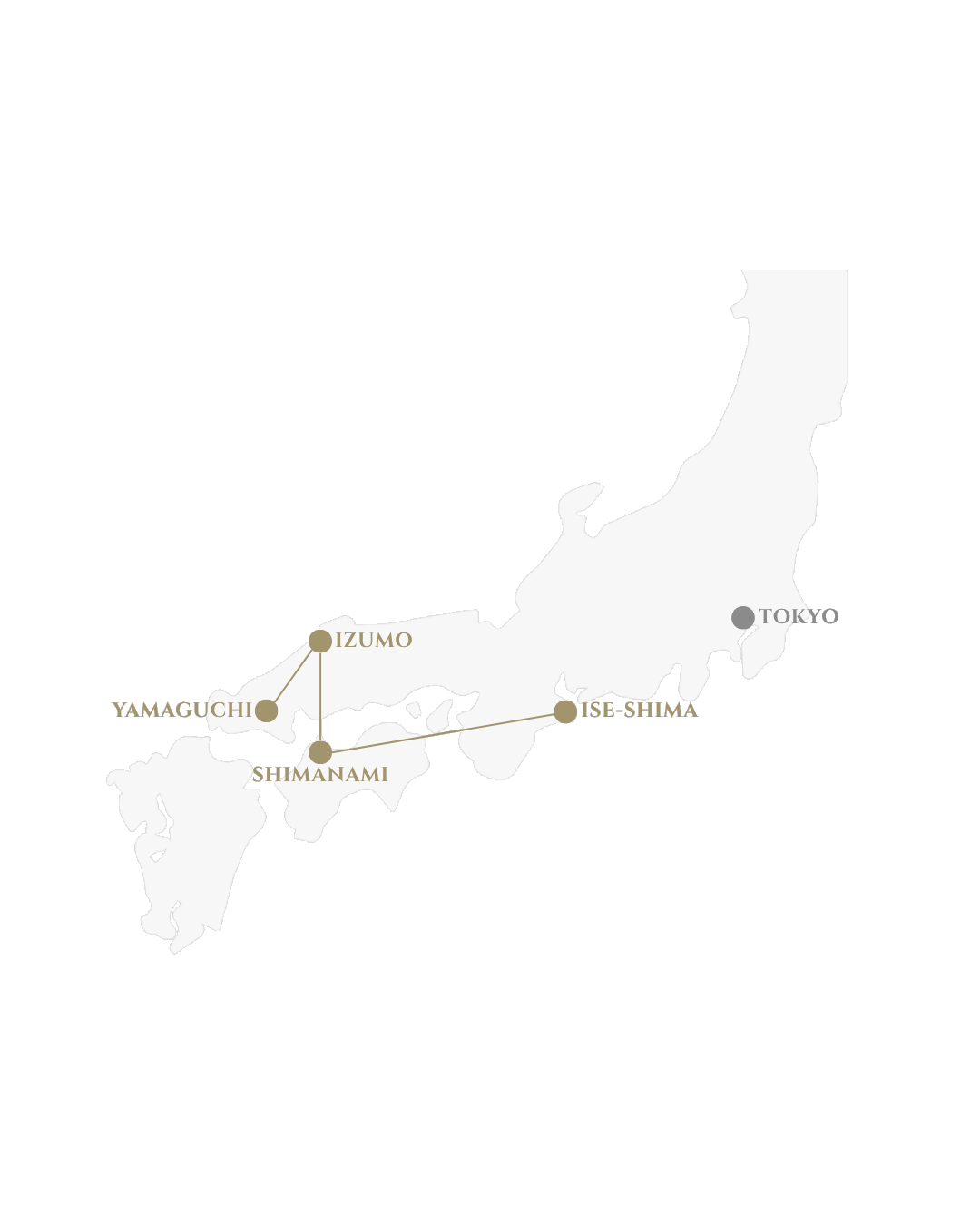
You begin on the Pacific coast with the pearl divers of Ise-Shima, cross to the Seto Inland Sea where fishing still sets the rhythm of the day, then move inland to meet a master of cypress bark roofing in Yamaguchi.
The journey ends in the mountains of Izumo, where families have made steel from iron sand for more than 1,400 years, and the old myths are still part of daily life.
Sample Itinerary
Days 1-3: Diving with the Ama
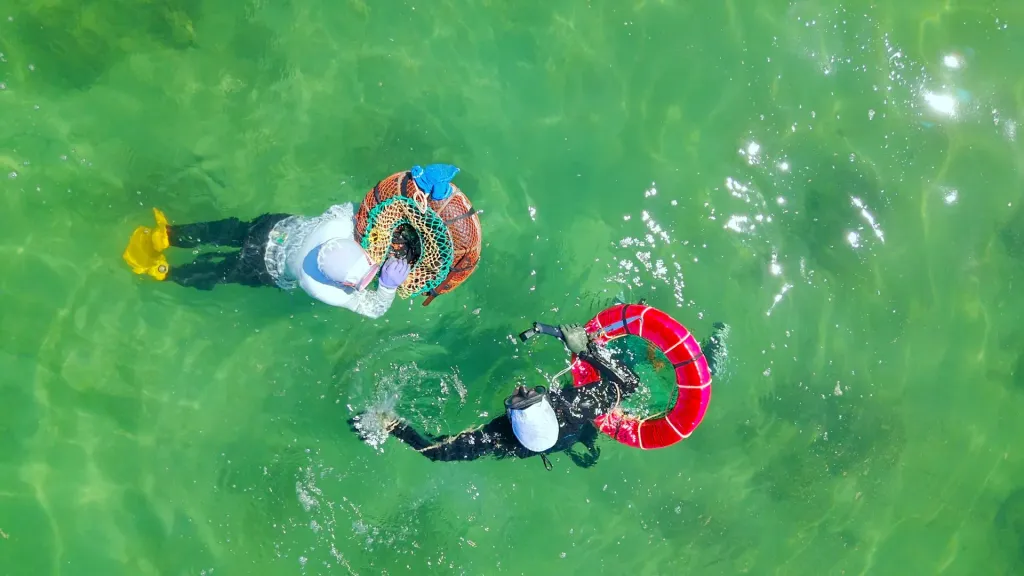
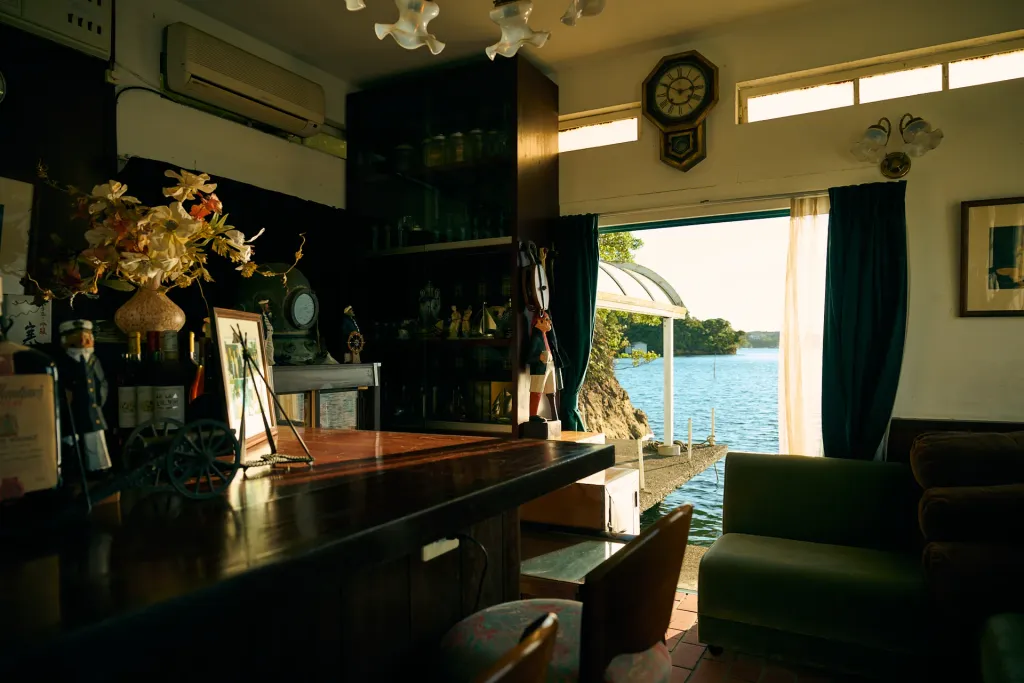
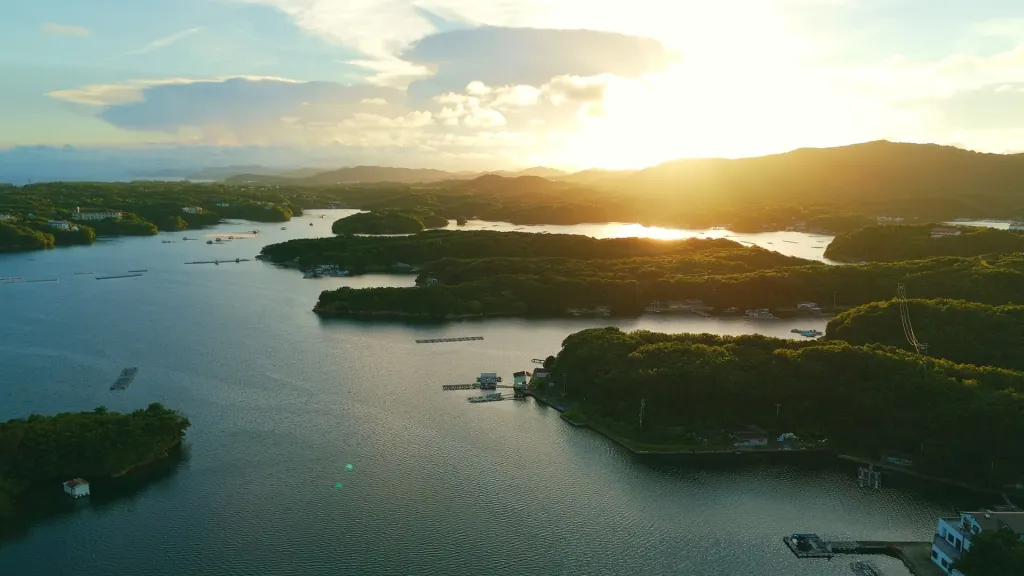

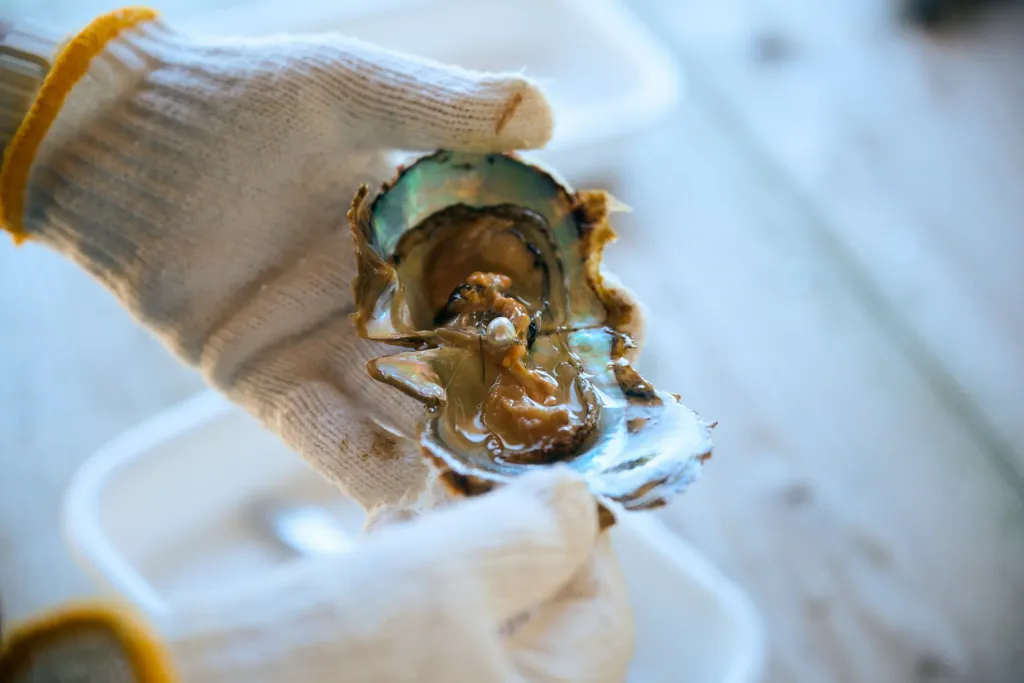
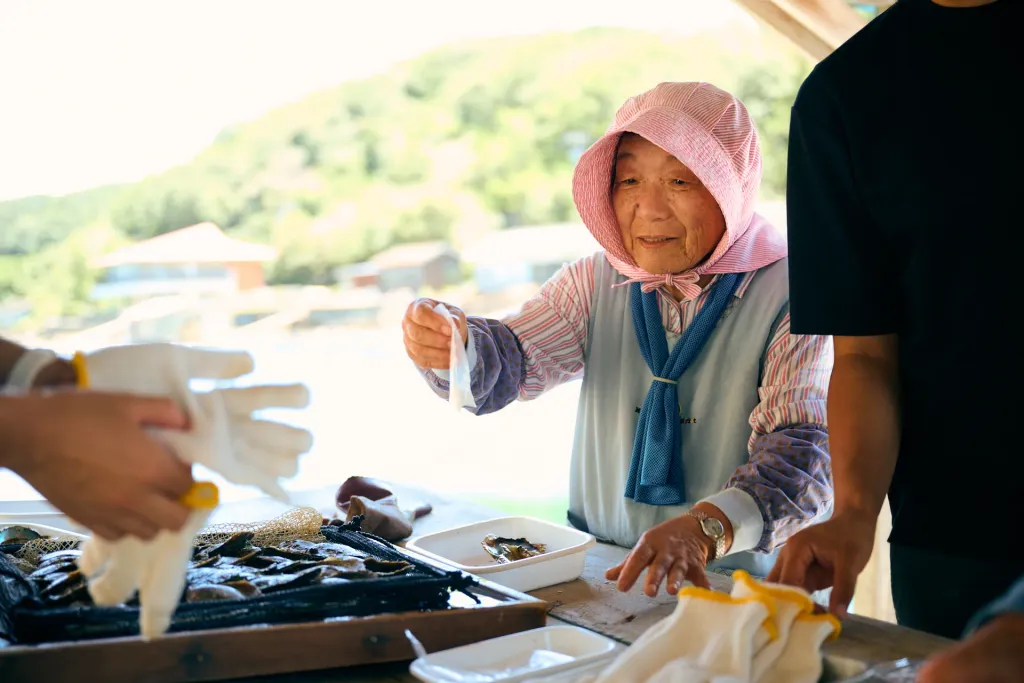
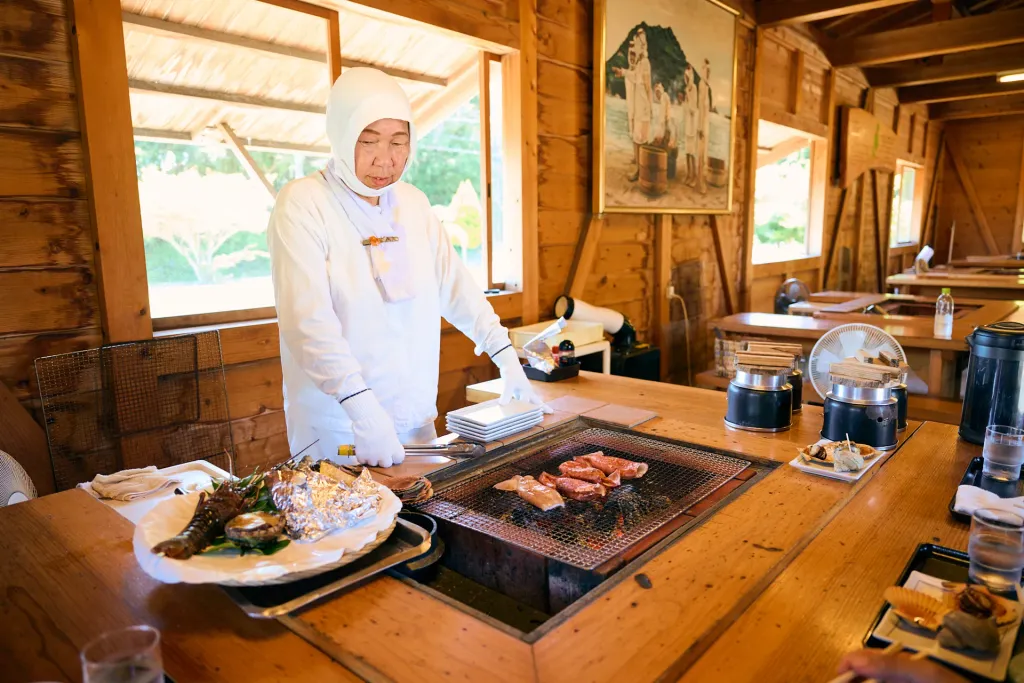
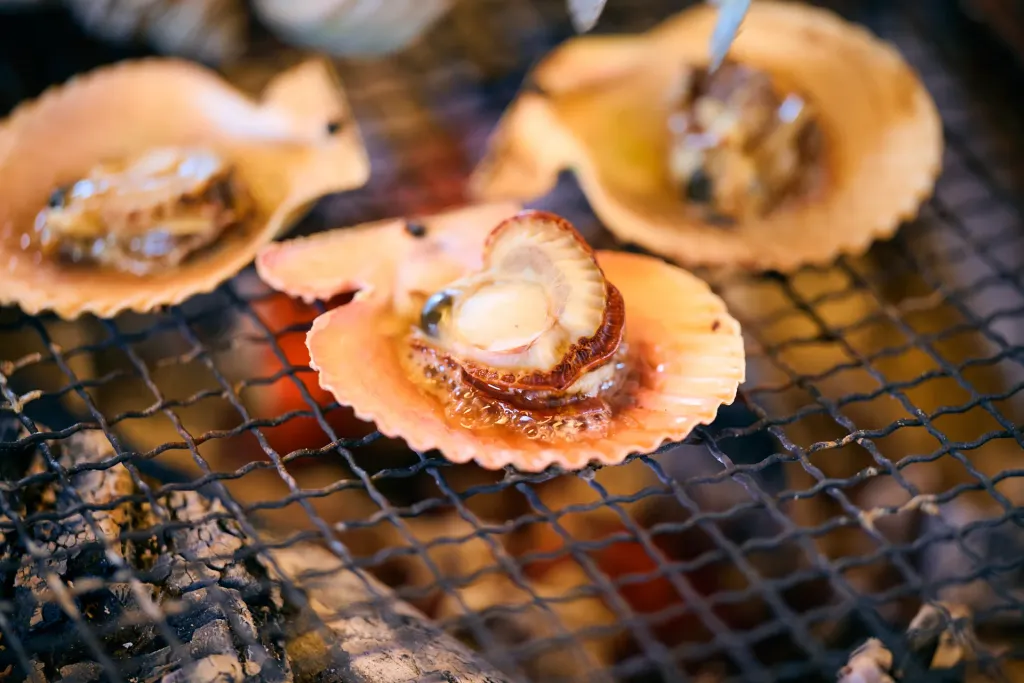
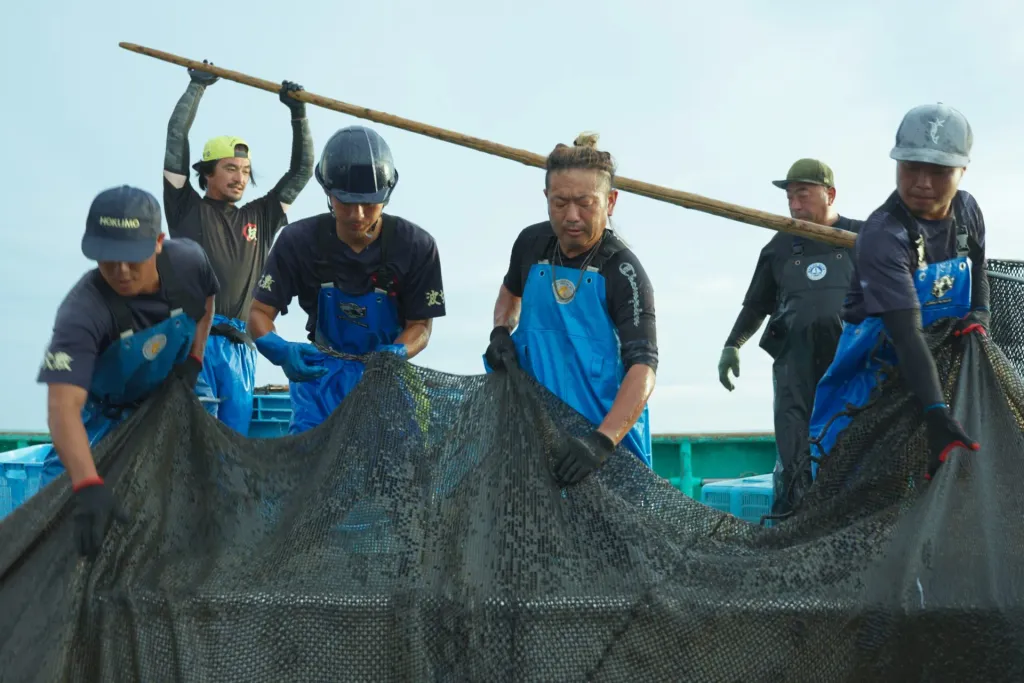
The journey begins in Ise-Shima, a coastline of quiet bays and pearl farming south of Nagoya. Here you meet the ama, the pearl divers of Japan, women who free-dive for shellfish on a single breath, the way they have for more than two thousand years. You see how they work, share a meal in their hut, and eat what they bring up as sushi at a local restaurant.
伊勢志摩Days 4-6: Out on a Fishing Boat, Then to the Table
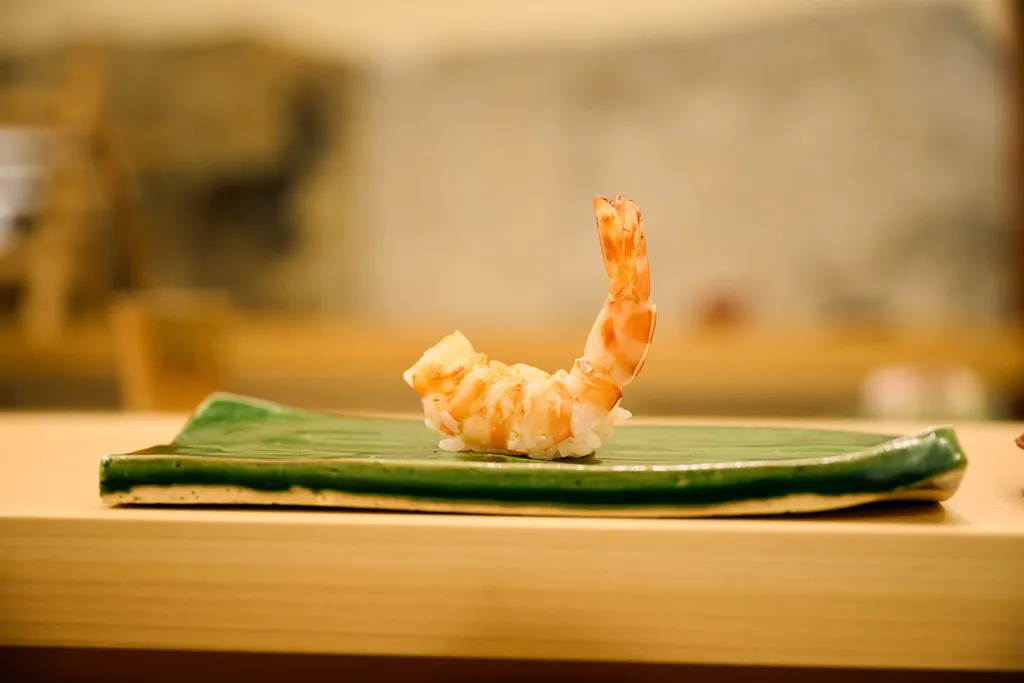

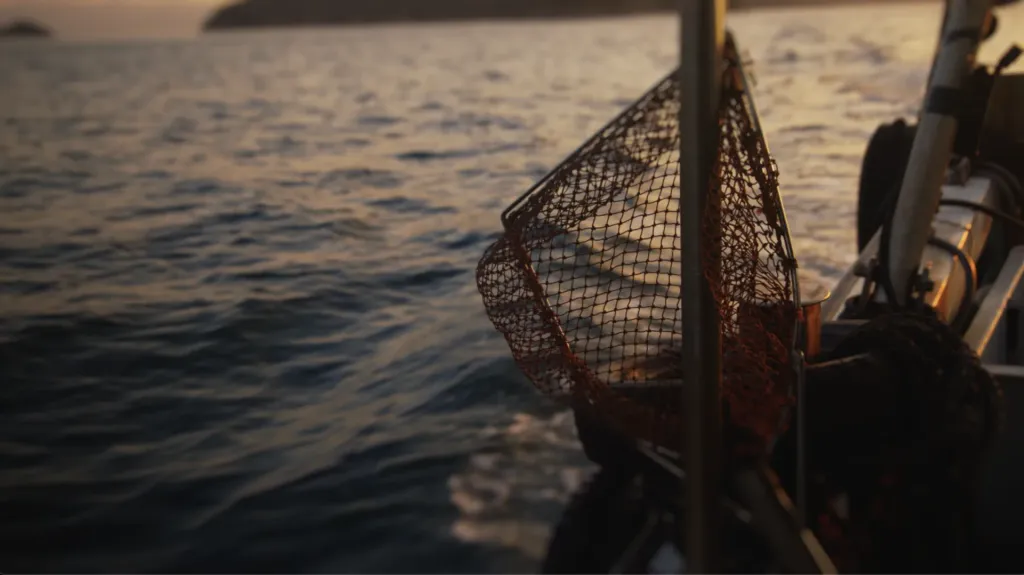
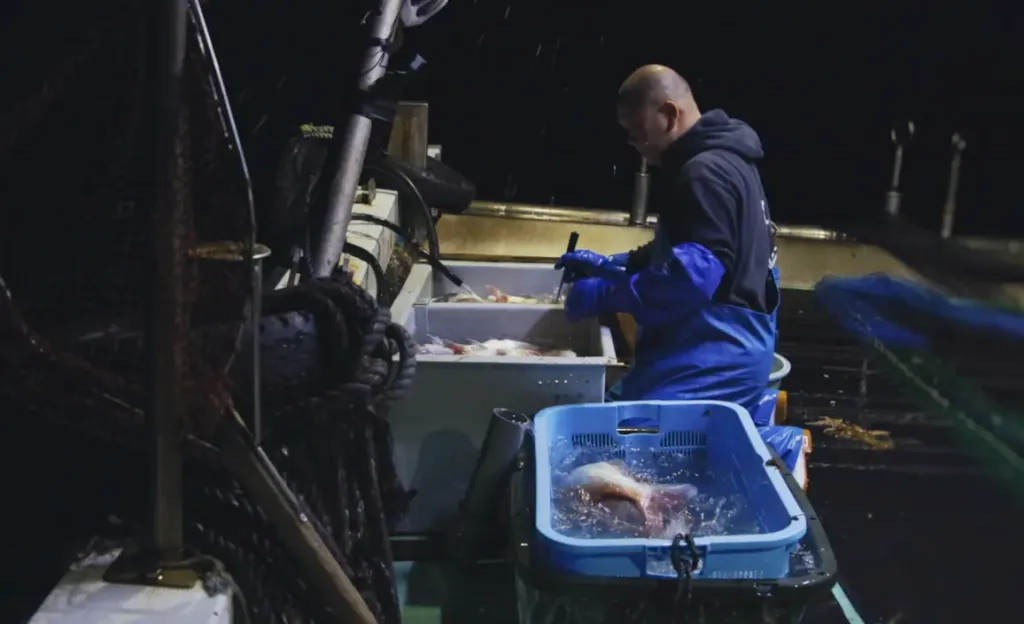
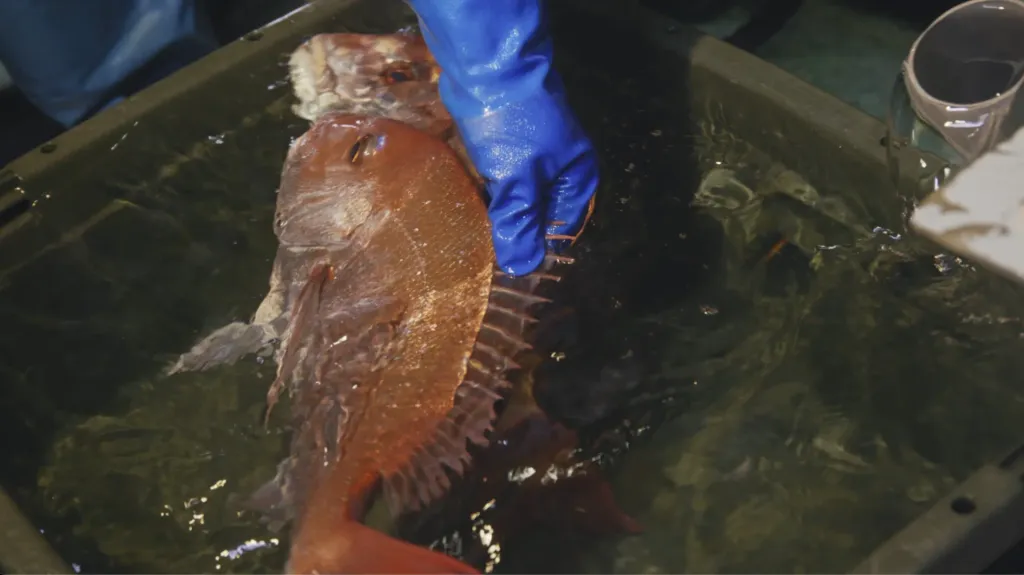
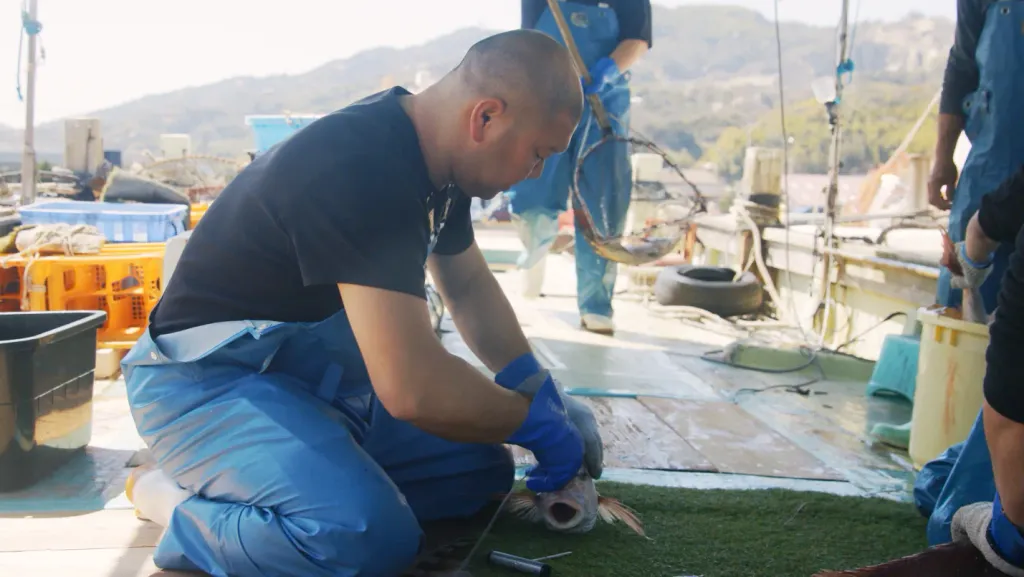
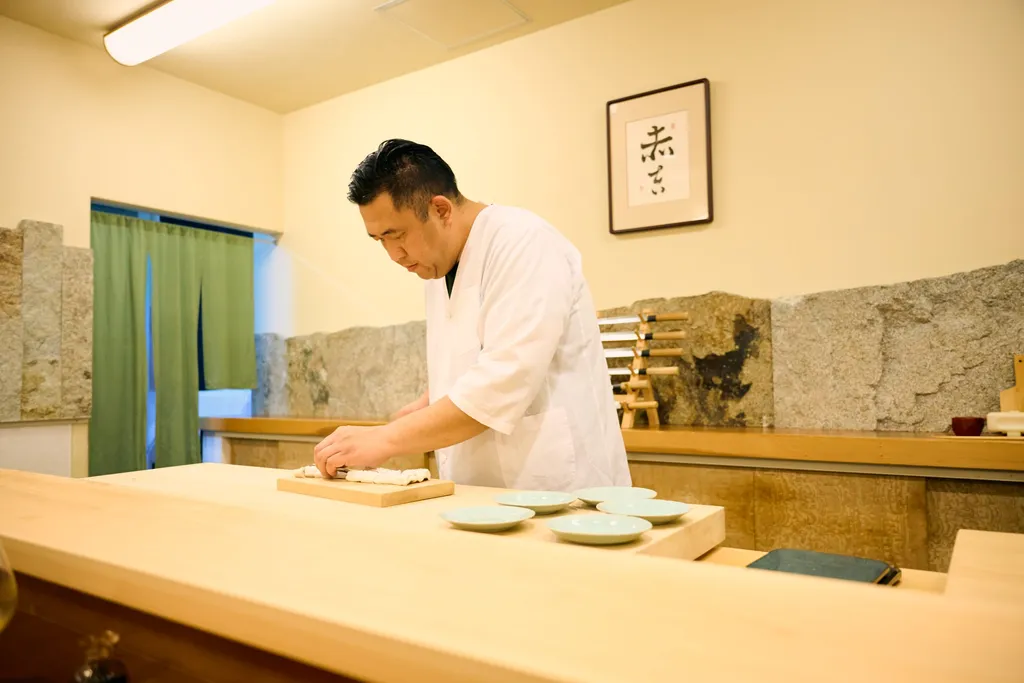
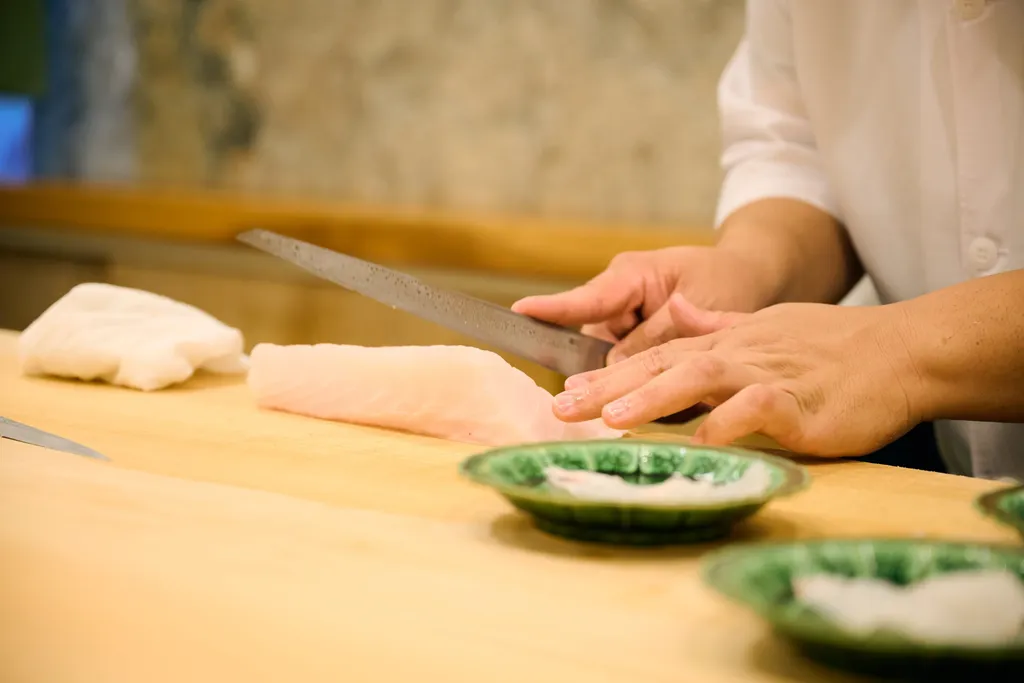
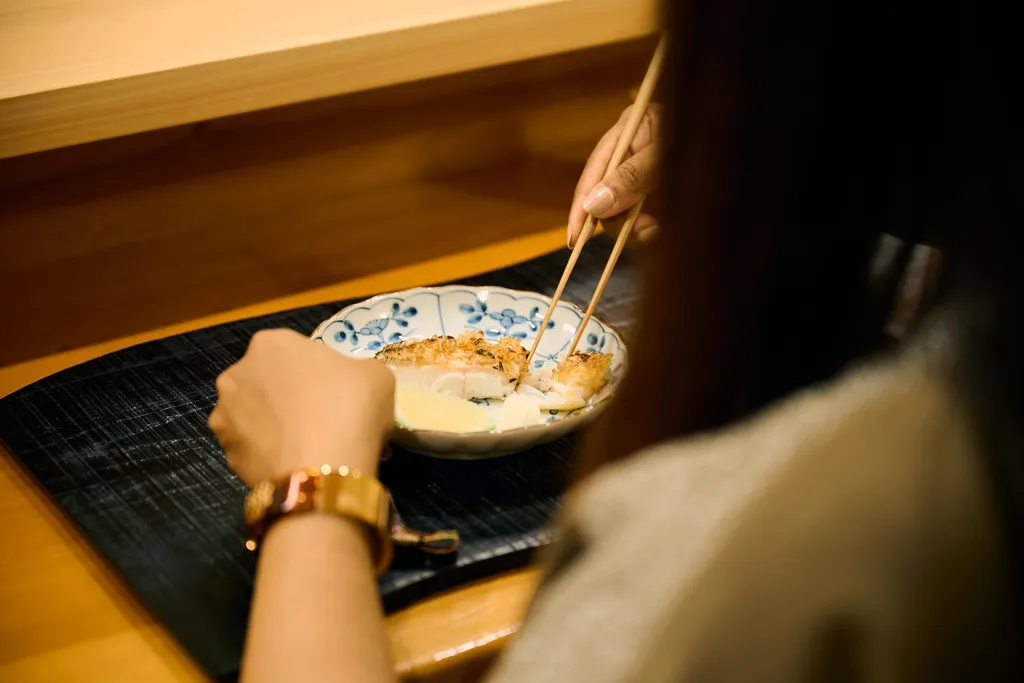
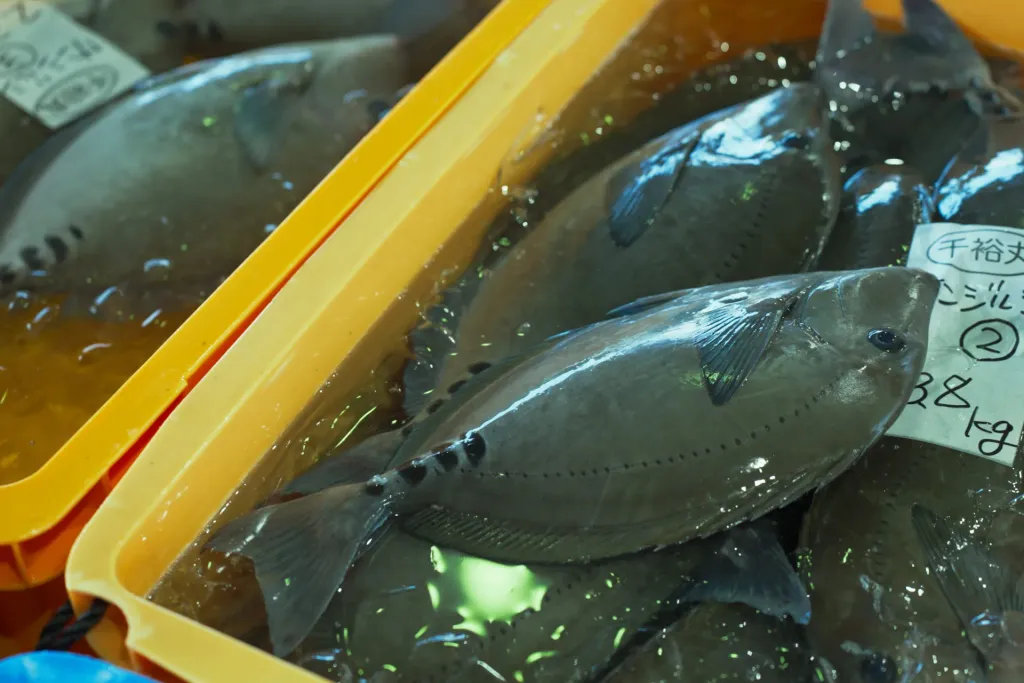
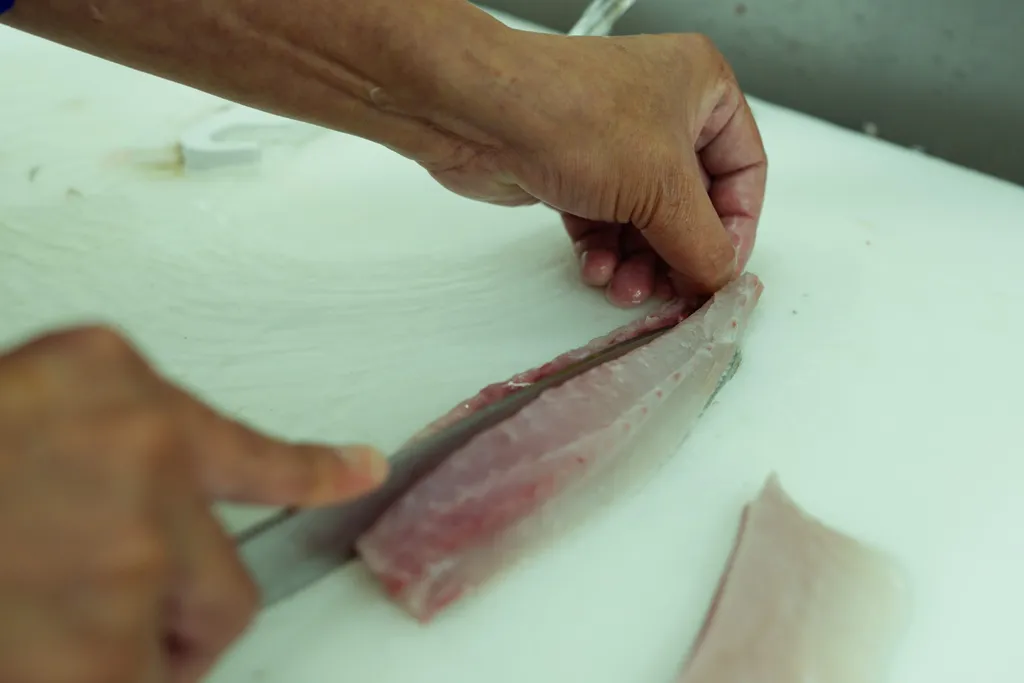
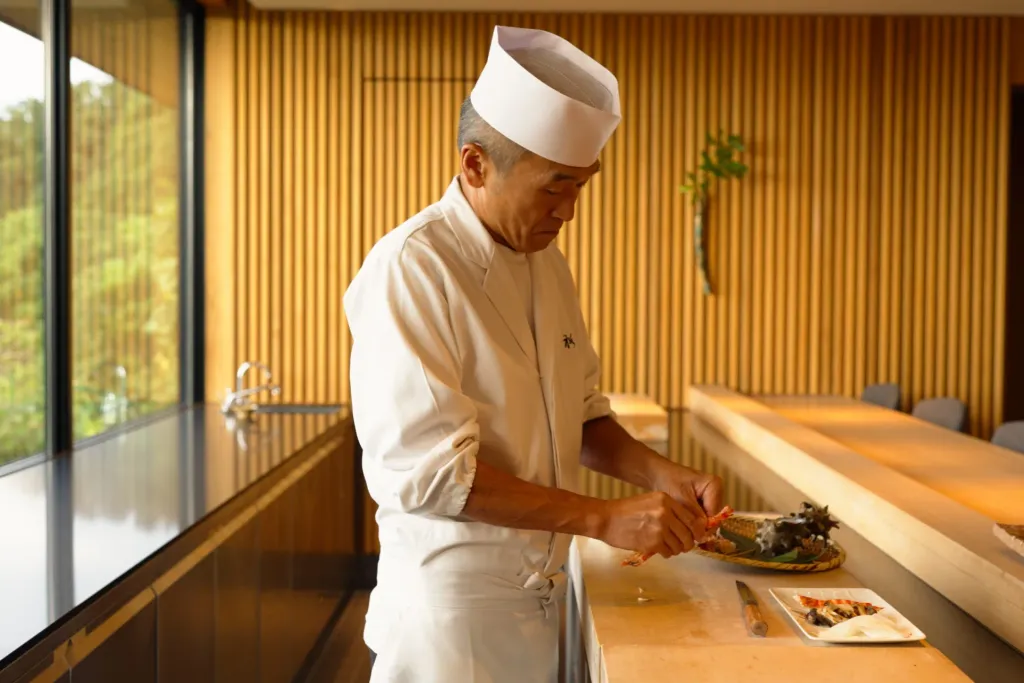
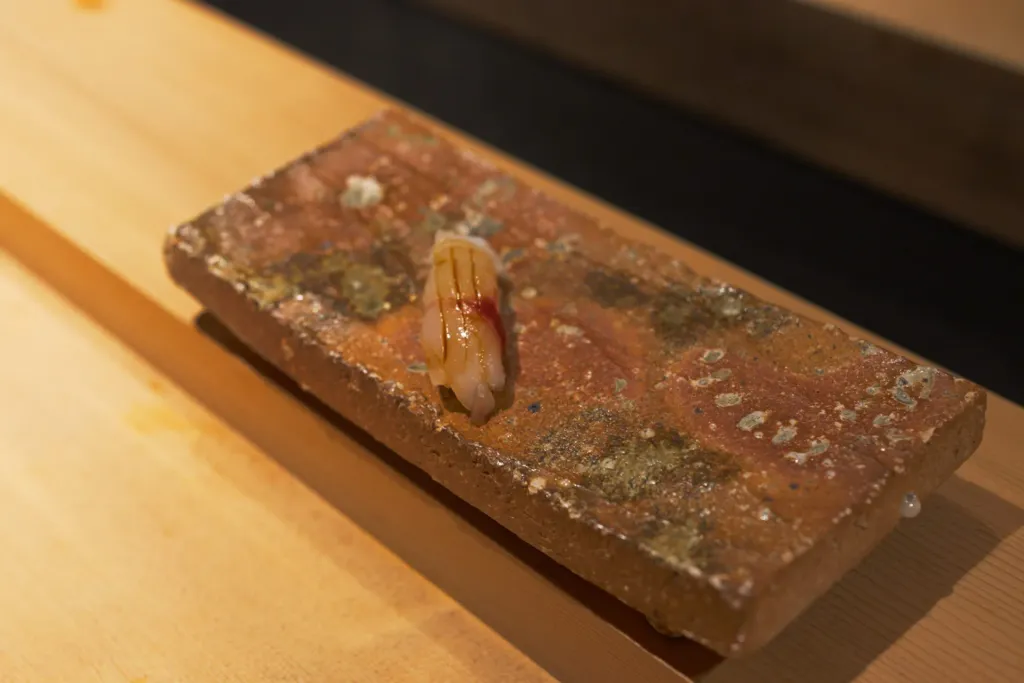
Travelling west, you reach Shimanami, a string of islands in the Seto Inland Sea. Here you meet the team behind fisherman Mr. Fujimoto, who supplies the Michelin restaurants of Tokyo. You go out with them on the water and watch them prepare the catch using shinkei-jime, the precise nerve-closing technique that holds a fish at its peak. The same fish is later served by a Michelin-starred chef nearby.
しまなみDays 7-9: Watching a Roof Take Shape
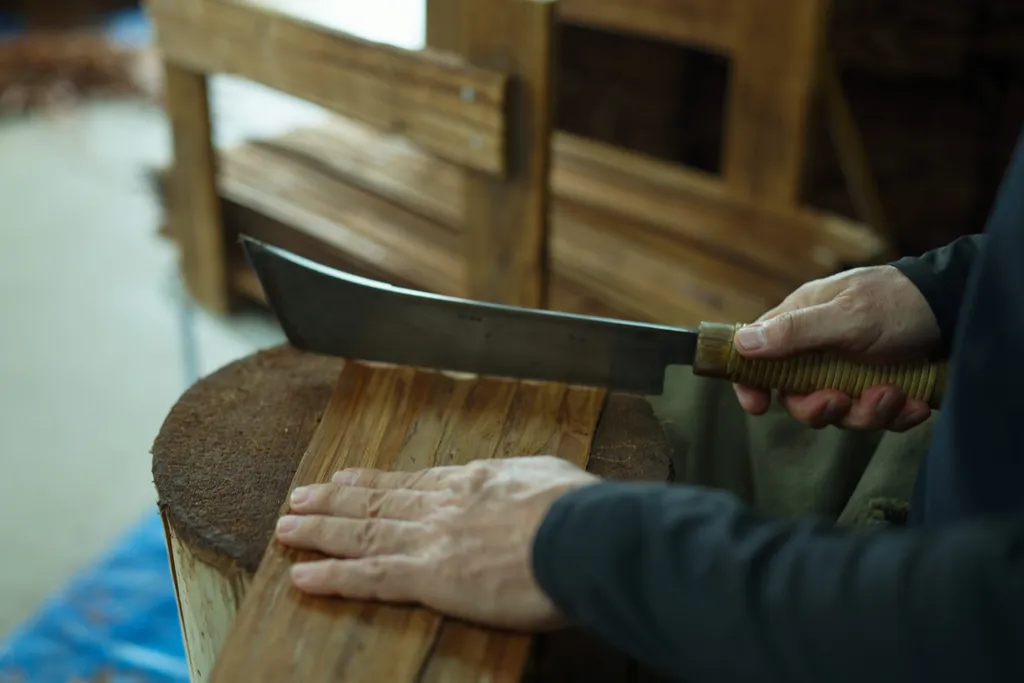
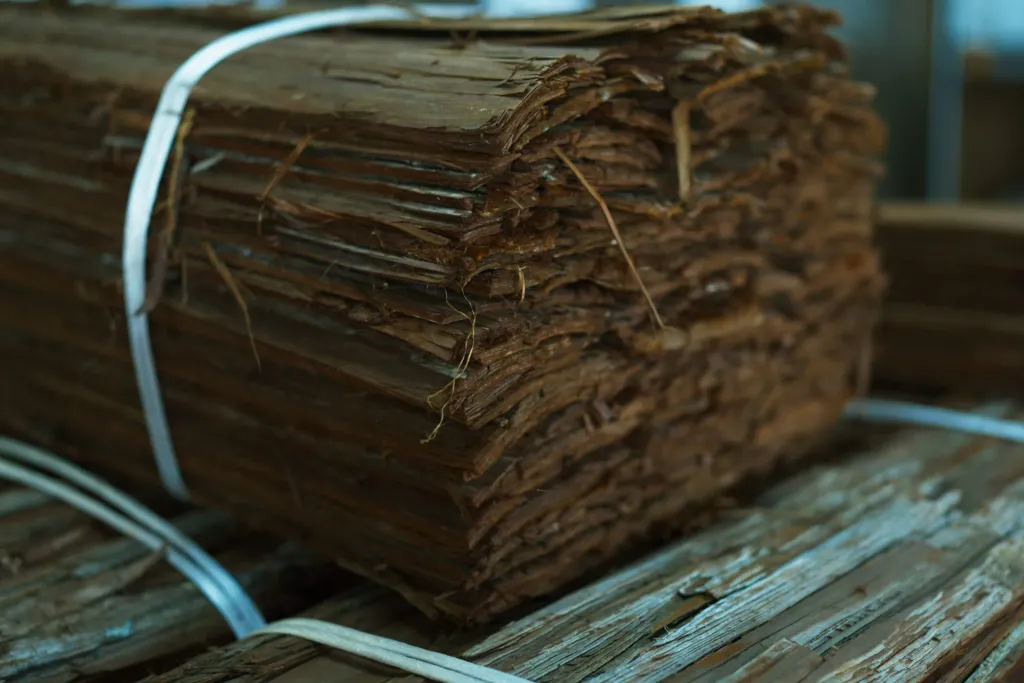
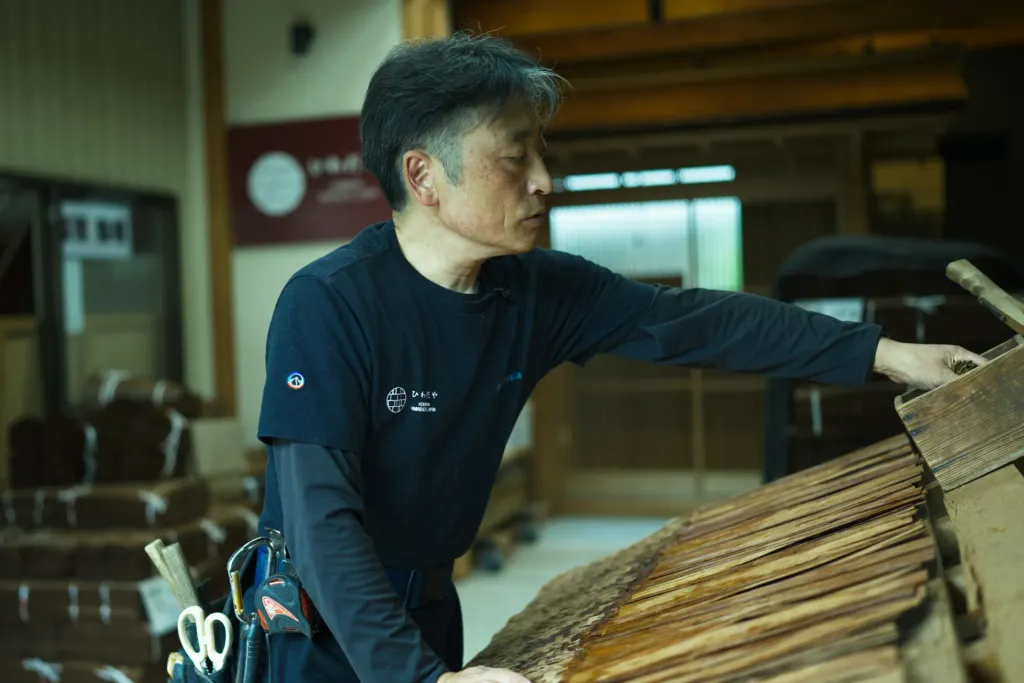
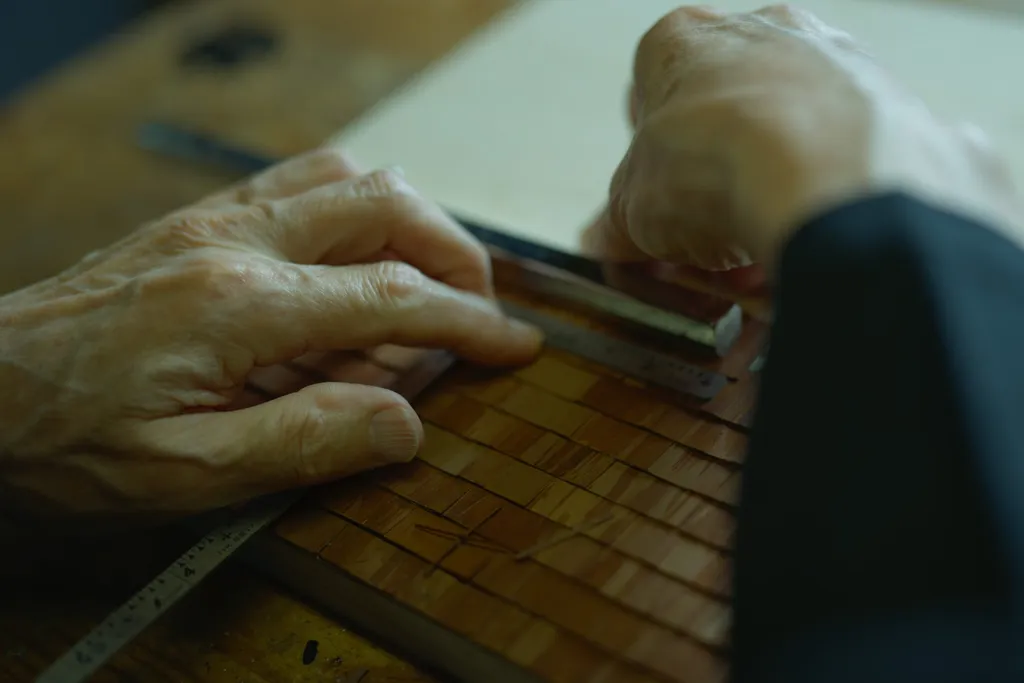
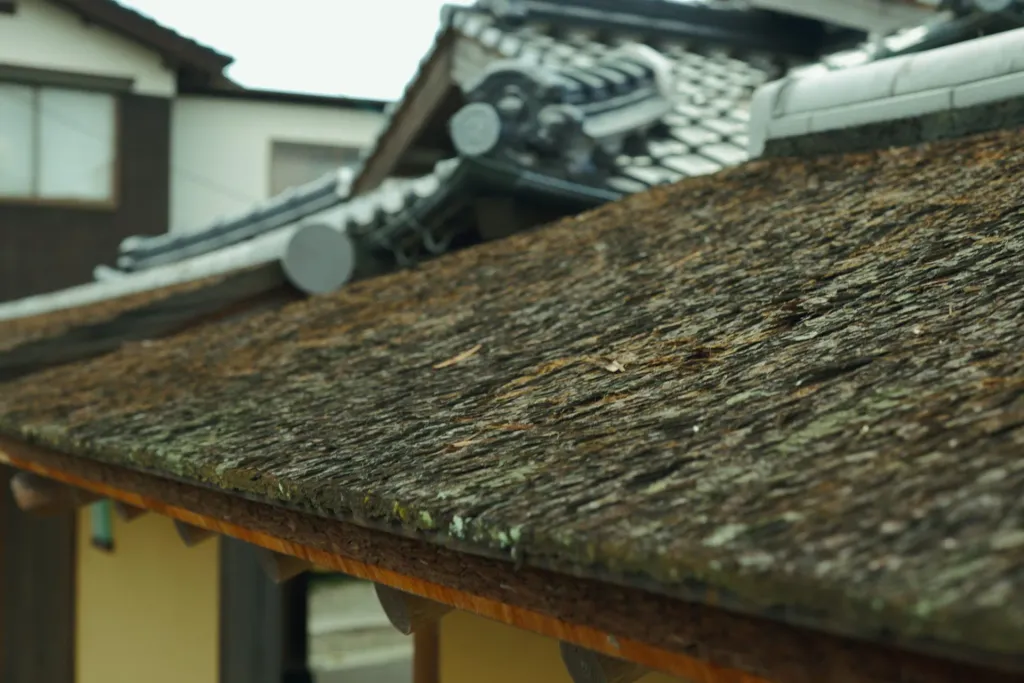
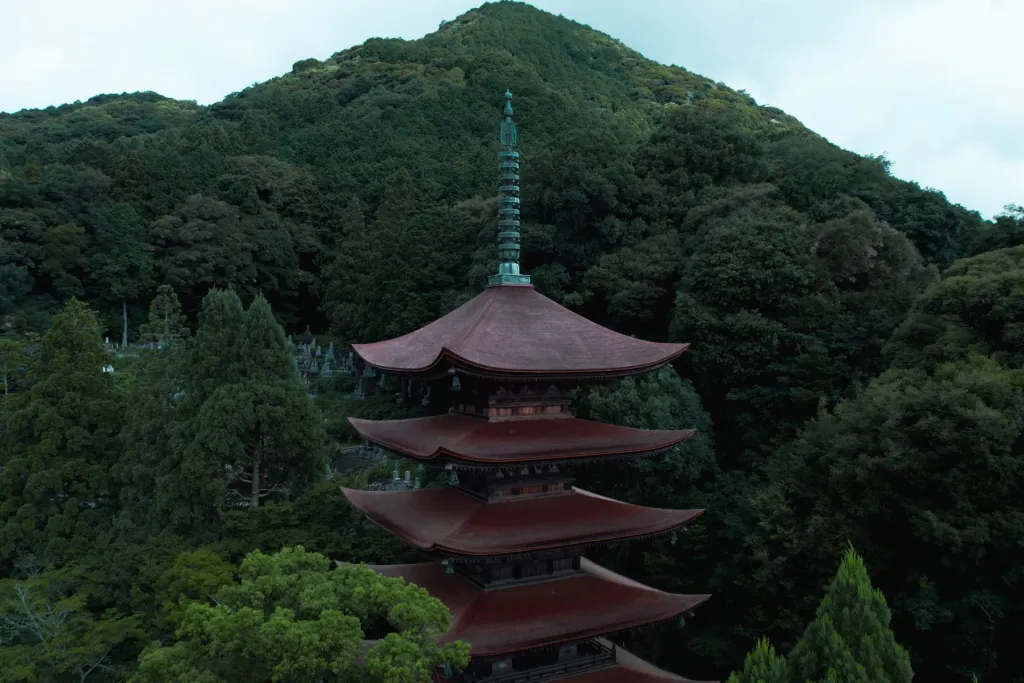

Further west, at the tip of Japan's main island, is Yamaguchi, home to Hiwadaya, the only workshop in the prefecture that has roofed buildings with cypress bark since the 1830s. You work yourself, layering bark with bamboo nails and shaping a small panel to take home. You also visit the National Treasure Ruriko-ji Pagoda, whose roof was renewed for the first time in seventy years, and the master craftsman of Hiwadaya walks you around the work he and his team carried out.
山口Days 10-14: Iron, Myth, and the Sword
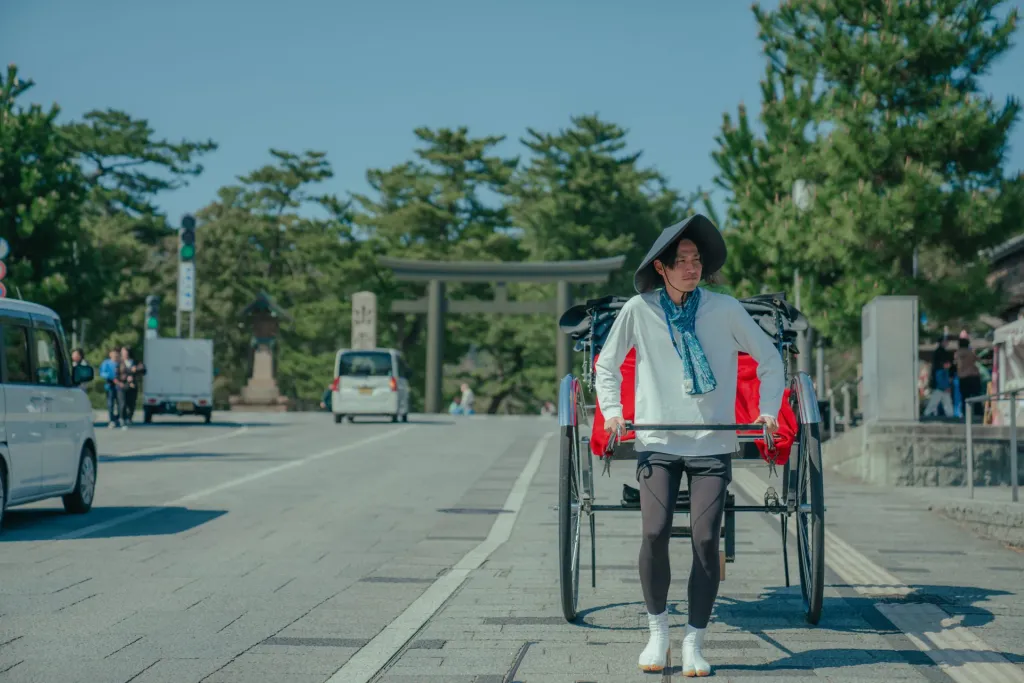
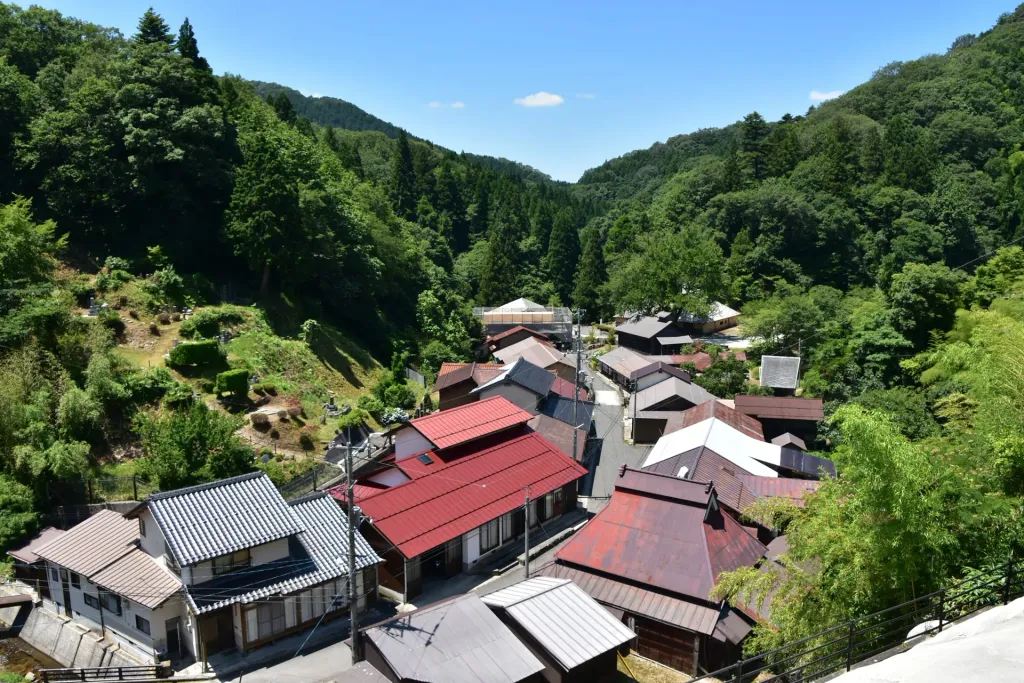
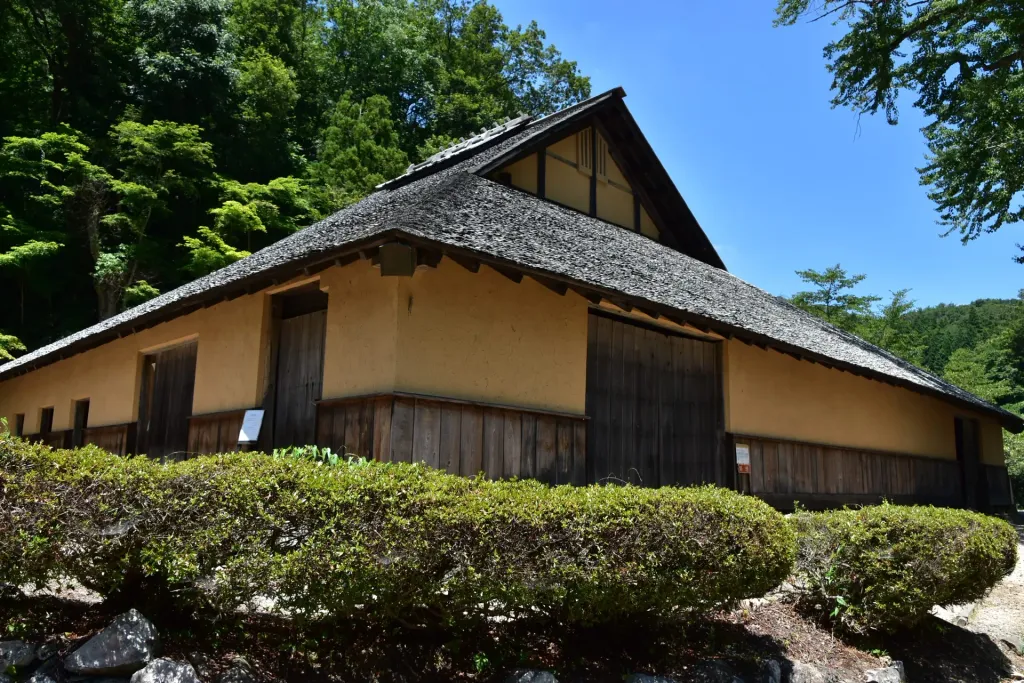
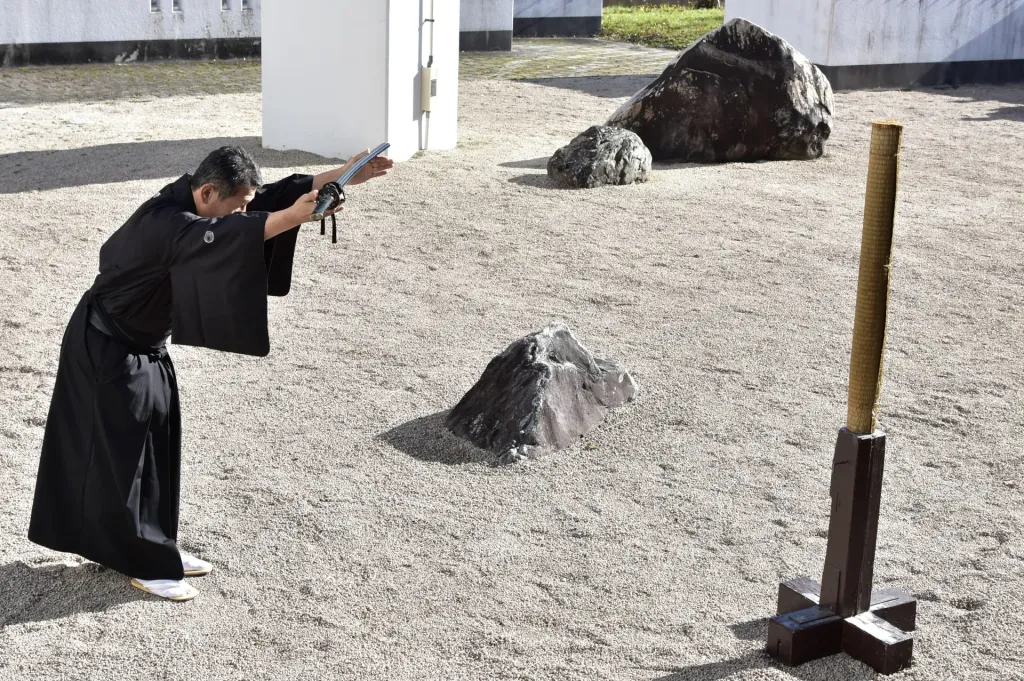
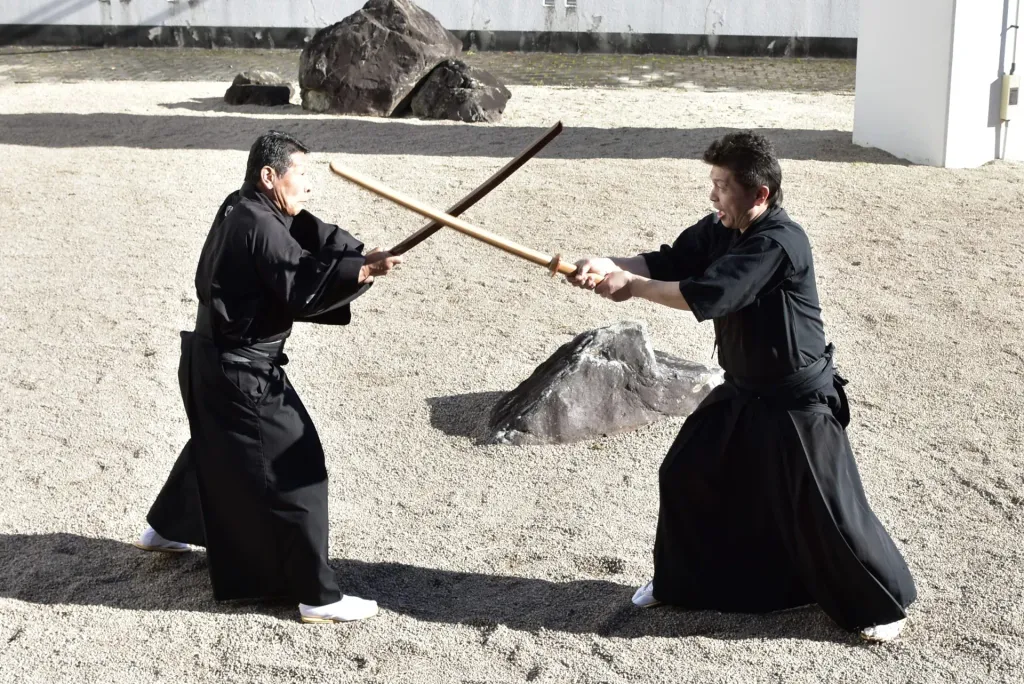
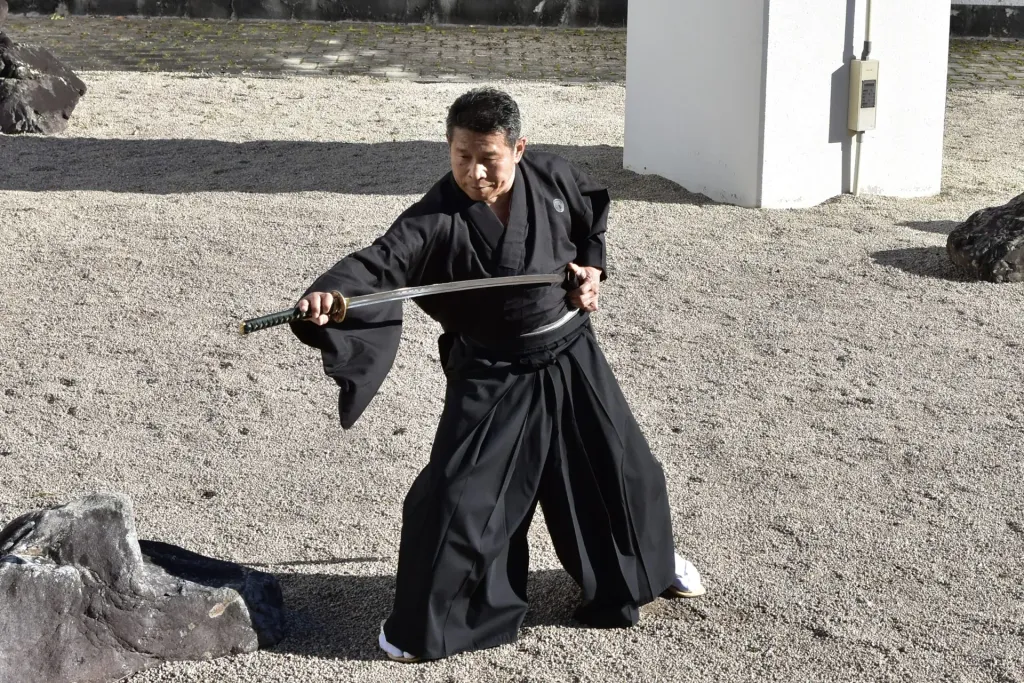
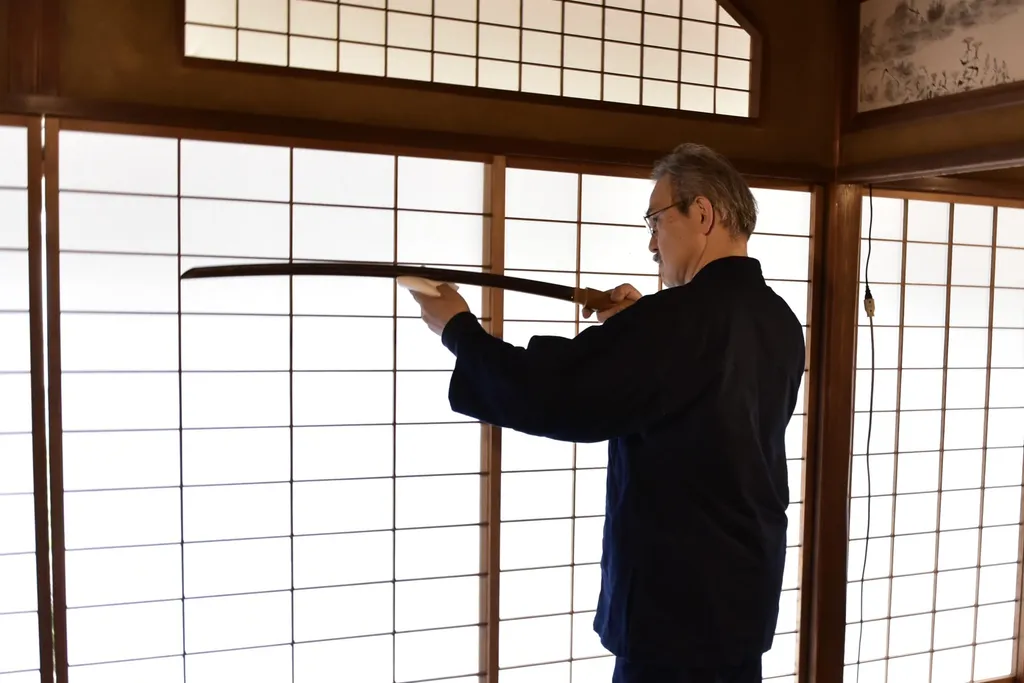
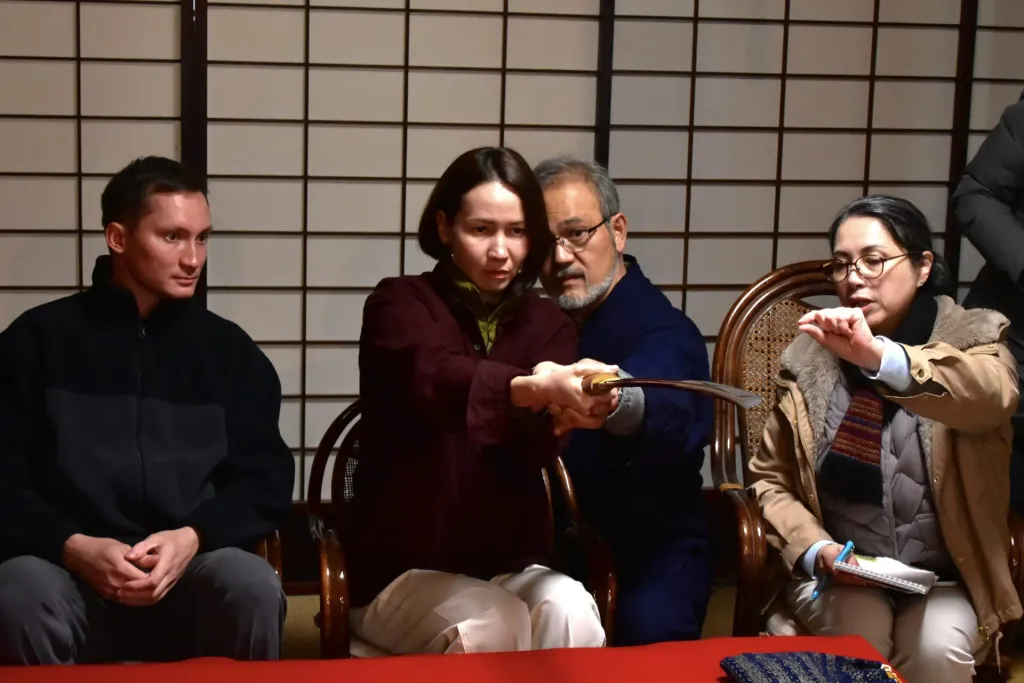
The journey ends in Izumo, a region tied to the oldest myths in Japan. Once a year, the gods of the whole country are said to gather here. With a local guide, you ride a rickshaw along the path the gods are said to take, toward the shore where they are welcomed. In the mountains of Okuizumo, you walk through the only surviving tatara village in the country. Tatara is the old Japanese way of making steel by burning iron sand with charcoal for three days and nights, and the steel produced this way, tamahagane, was used for samurai swords. You step inside the takadono, the tall workshop where the furnace once burned. You then sit with a master swordsmith who holds the rank of Mukansa, the highest given to a living swordsmith in Japan, as he places a finished blade in your hands.
出雲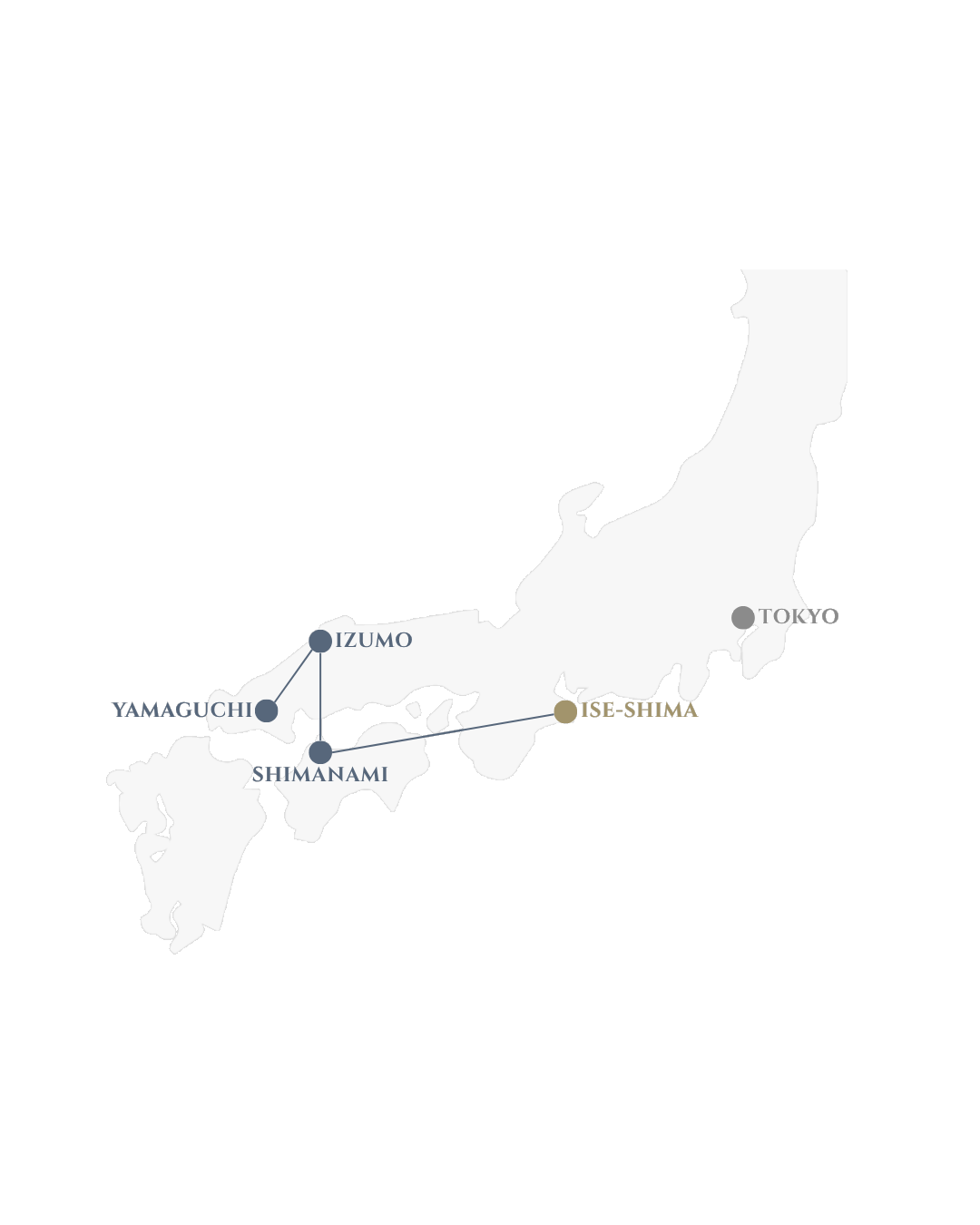
Make This Journey Yours
This itinerary is a starting point. Every detail, from the pace to the season to the experiences themselves, can be shaped around you.
Start PlanningLooking for a different kind of encounter?
Explore Your Trips
Remarkable experiences crafted for the curious traveller.