
Samurai Swords in Seki: The Town Where Blades Became Knives
Published Updated
Most people know Japan for the samurai sword. Far fewer know Seki, the small city in Gifu prefecture where many of those swords were forged, and where the same skill now shapes some of the best kitchen knives in the world. The blade a chef trusts today and the sword a samurai once carried come from one craft, more than 800 years old.
Seki: a town that has forged blades for 800 years
Seki has made blades since the Kamakura period, about 800 years ago, when swordsmiths settled here for its clean rivers, strong charcoal, and good clay. Their blades gave samurai a sword that did not break, did not bend, and cut well, and this became one of Japan’s five great schools of sword making. When peace came and swords were no longer needed, the same hands turned to kitchen knives and razors. Today Seki is often named, with Solingen in Germany and Sheffield in England, as one of the world’s three great blade towns. Here the sword and the kitchen knife share one craft.
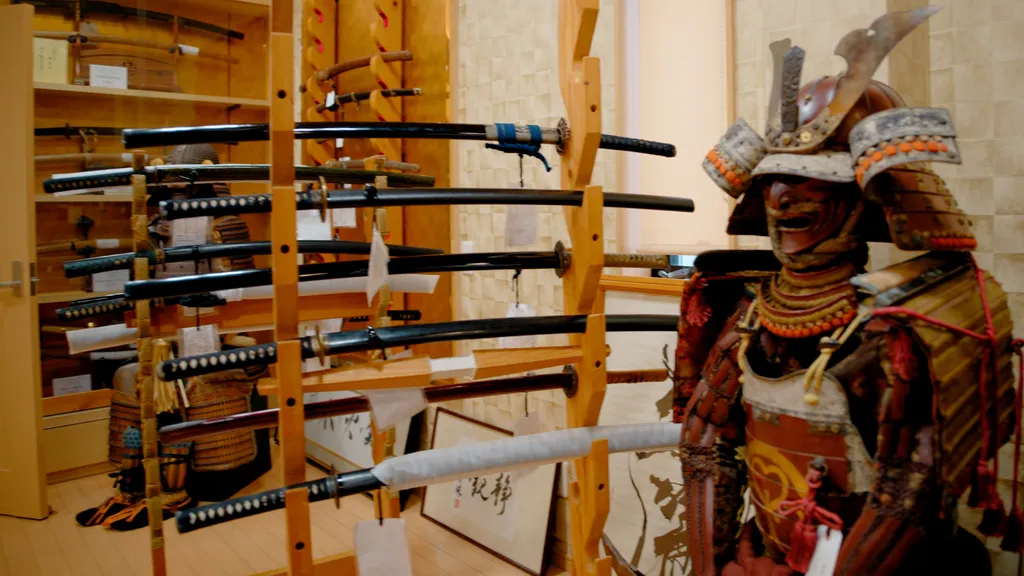
Forge a samurai sword with a 25th-generation swordsmith
At Hamonoya Sanshu’s blade museum in Seki, you can watch a master at work. Fujiwara Kanefusa comes from a family that has forged swords here since the Muromachi period, more than 600 years, and he is the twenty-fifth generation. He says his ancestors made swords for the great warlords of that age, including Oda Nobunaga and Tokugawa Ieyasu.
A finished blade takes many steps and close to a year. Through the glass you watch one of them up close: the folding, where the steel is heated to around 1,300°C, hammered out, folded, and hammered again.
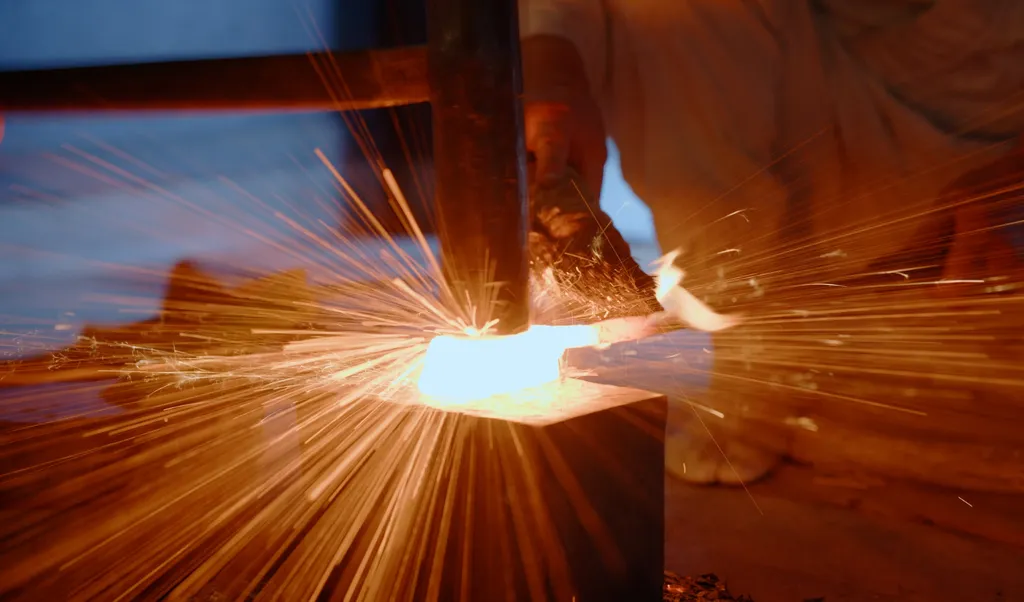
Mr. Fujiwara and his apprentices bring the hammer down as if it weighs nothing. Lift it yourself and you learn the truth. It is so heavy, and that ease comes from years of training, in body and in mind. Under his guidance you can take the great hammer and strike the steel yourself.
For Mr. Fujiwara, this is not just a job. He was born into this name, in a town built on it, and he carries a simple duty: not to be the generation that lets it end. “If we stop making swords, this culture disappears,” he says. With the hammer in your own hands, you feel the weight of that responsibility. Mr. Yoshida, who heads the museum, says that what moves visitors from abroad is not the sparks, but the fact that one skill has been passed from person to person for so long.
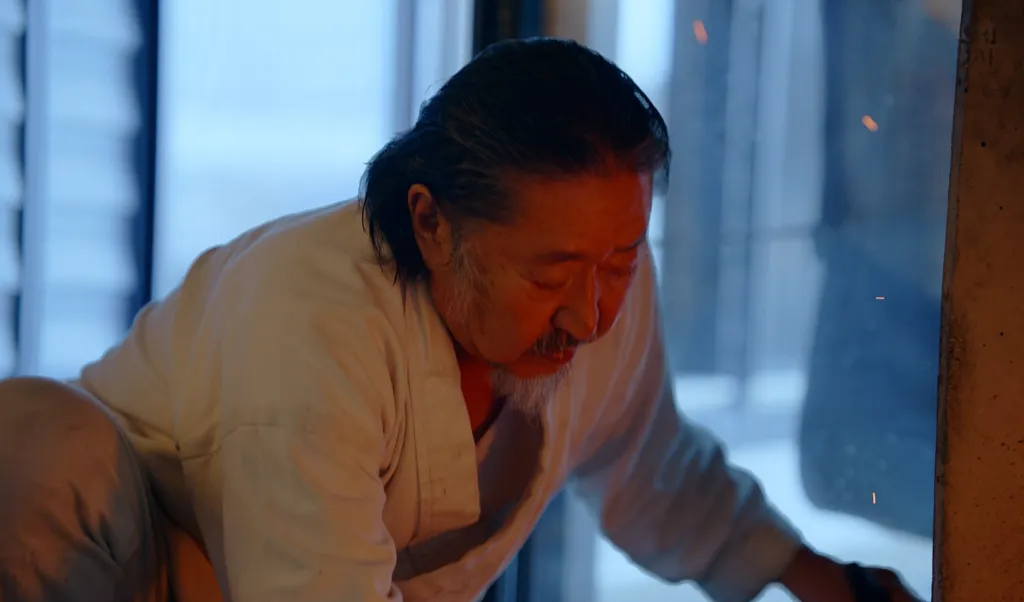
Noshudo, where a blade becomes a finished sword
A sword is not finished when the swordsmith’s work ends. At Noshudo, President Igarashi and his team take the bare blade and make it whole. They fit the handle and the guard, mount the blade, and polish it until it is ready to use. Noshudo works on both real swords and the practice swords used in iaido, the Japanese art of drawing the sword.
For a martial arts sword, they even match the length and weight to the owner’s hand. “Any sword won’t do,” Mr. Igarashi says. “It has to fit the person who uses it.”
One sword passes through many hands, and Mr. Igarashi worries that those hands are growing fewer and older. Like Mr. Fujiwara, he feels a duty to his town and its craft, and to train the young people who will carry it on.
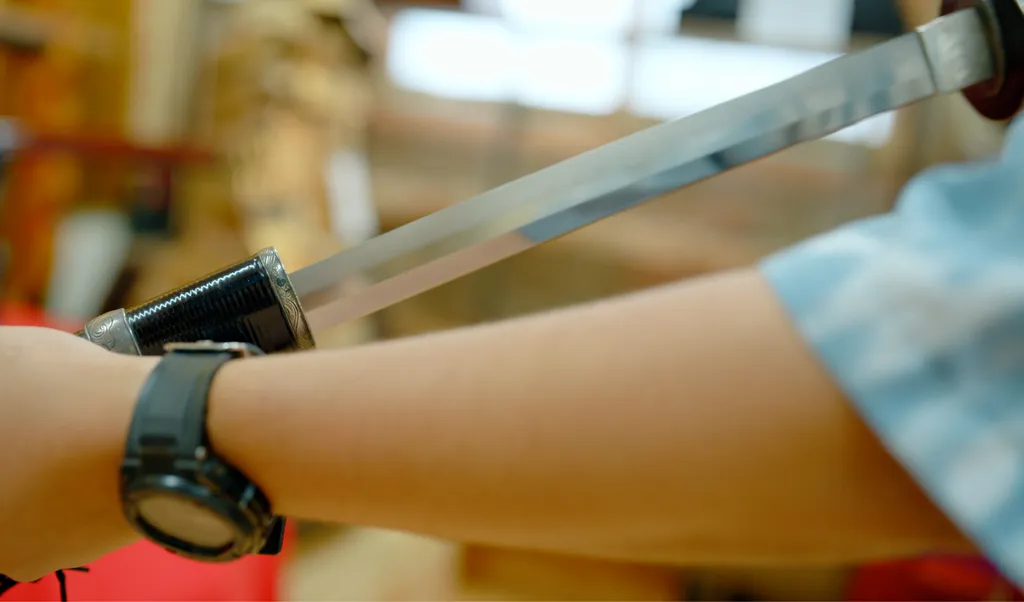
Next to the workshop is a dojo, a training hall for iaido. There you can watch Mr. Igarashi and other teachers move through their forms, and even try it yourself. For all the weight he carries, he is a warm and cheerful host, and a tour in his hands is one of the most enjoyable stops in Seki. We can arrange a private visit to both workshops as part of your journey through central Japan.
FAQ
Q1. Where is Seki, Japan?
Seki is a small city in Gifu prefecture, in central Japan. It sits about 40 minutes by car from Gifu City or and is easy to reach from Nagoya, Takayama, and Kyoto.
Q2. Why is Seki famous for blades?
Seki has forged swords since the Kamakura period, about 800 years ago. When peace came, the same skill moved into kitchen knives, scissors, and razors. Today Seki is named with Solingen in Germany and Sheffield in England as one of the world’s three great blade cities, sometimes called the “3S.”
Q3. How is a samurai sword made?
It starts with iron sand, which is made into a steel called tamahagane. The swordsmith heats it to around 1,300°C, hammers it out, then folds and hammers it again, about 15 times. He then coats the blade in clay and quenches it in water, which hardens the edge and gives the sword its curve. The swordsmith’s own work takes about two weeks, and a full sword with all its fittings takes close to a year.
Q4. Can I watch or try sword forging in Seki?
Yes. At Hamonoya Sanshu’s blade museum you can watch Fujiwara Kanefusa forge a blade through the glass. The family is now in its 25th and 26th generations, father and son, and under the swordsmith’s guidance you can take the great hammer and strike the hot steel yourself. The museum also has a shop next door. There you can buy the swordsmith’s own works, as well as Seki kitchen knives, scissors, and other local blades.
Q5. What else can I do in Seki?
At Noshudo you can see how a bare blade is finished into a complete sword, with its handle, guard, and polish. Next door is a dojo, where you can watch or try iaido, the art of drawing the sword.