
Tokoname Pottery Walk: Lucky Cats, Teapots and Bonsai Pots
Published
You land at Chubu Centrair Airport, and a five-minute train ride takes you to Tokoname. A short walk from the station, a giant cat looks down from a wall. Most travelers know the maneki neko, the beckoning cat that waves from shop doors across Japan. Fewer know that most of these ceramic cats come from one town, and that Tokoname makes more of them than anywhere else in Japan. It is also one of Japan’s oldest pottery towns, where potters have shaped teapots, bonsai pots, and clay pipes from the local clay for centuries.
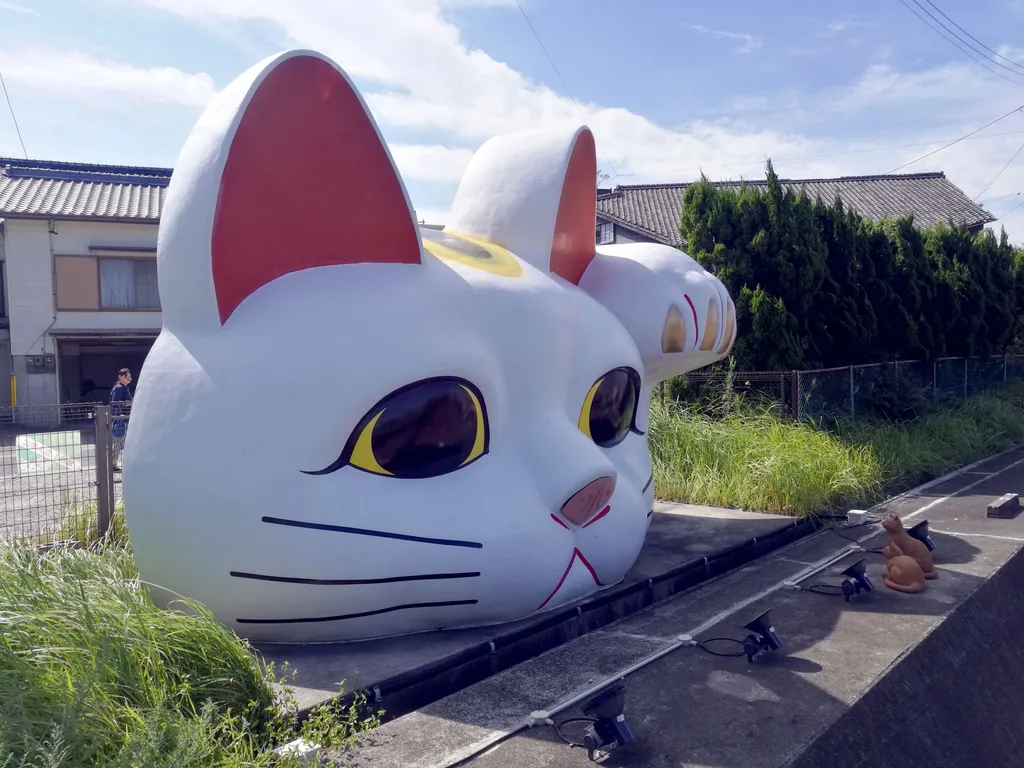
Tokoname: A Town Made of Clay, Not Made for Tourists
Tokoname, in Aichi Prefecture, is one of the Six Ancient Kilns of Japan. Pottery has been made here for a very long time, and it is still part of daily life. The town’s best known piece is the kyusu, a small red-clay teapot that tea lovers prize.
What stays with visitors is how little has been staged. The workshops and streets look the way they do because people work and live here. Each maker has its own style and story, yet one shared feeling runs through the whole town, the feeling of a pottery town.
Walk the Tokoname Pottery Footpath
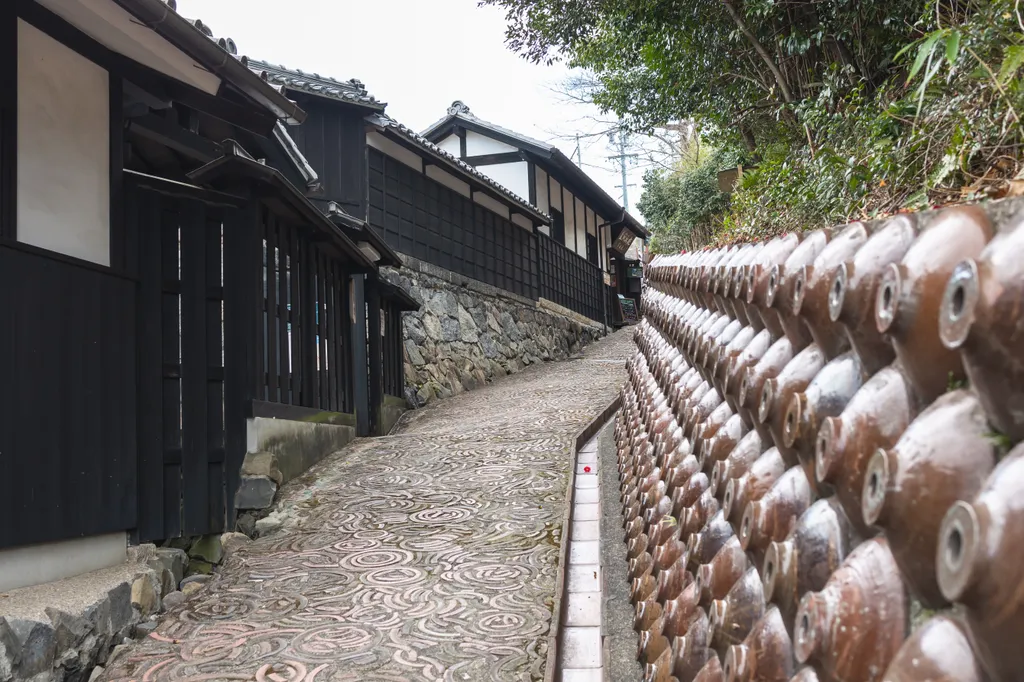
The pottery footpath, called Yakimono Sanpomichi, winds through the old town. Lucky cats, clay pipes, and shochu bottles, the tall bottles once used to hold the Japanese spirit shochu, sit along the way. Some are set into the walls and slopes, so the path itself is made of the town’s craft.
In places, lucky cats by different makers are displayed side by side, so you can compare their faces and shapes. This is a good place to start. First you see how many ways one town can shape clay, and finding your own favorite lucky cat is part of the fun.
Learn the Teapot at CHADEN
CHADEN is a Japanese tea cafe run by Mr. Hiroyuki Mizuno, a teapot maker and Japanese tea adviser. The cafe is on the second floor, and his workshop is on the first.
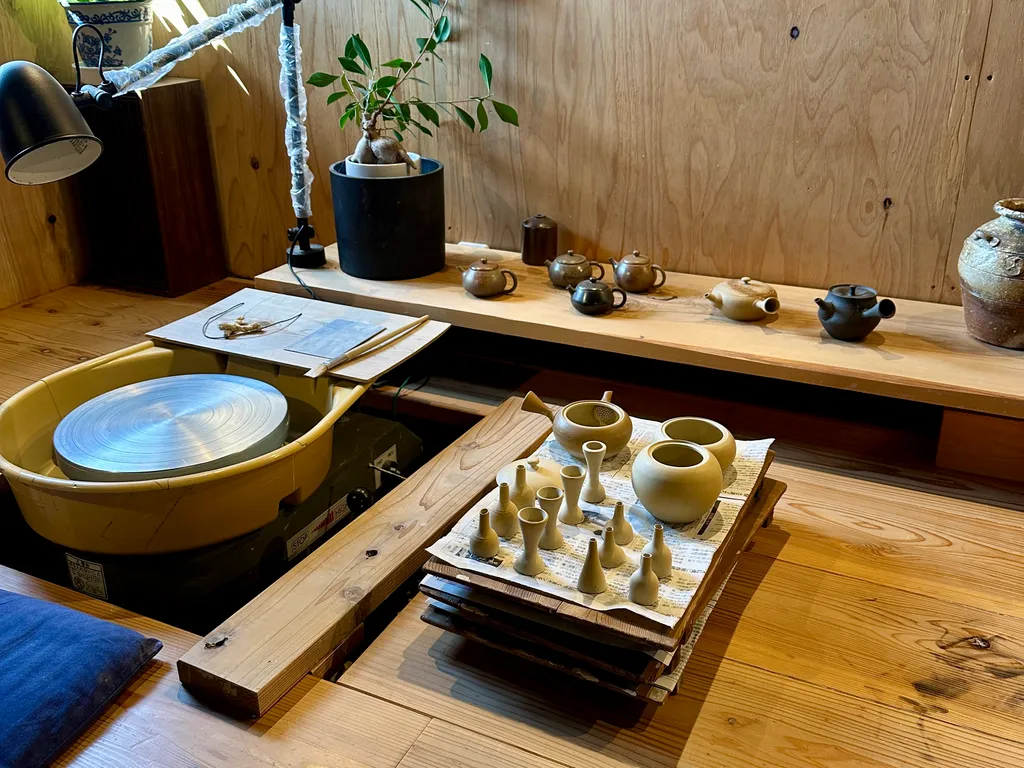
Mr. Mizuno walks you through the workshop and explains how clay becomes a teapot, from preparing the earth to the finished piece. Tokoname teapots use no dye, so the color of the clay becomes the color of the pot. Teapots made from different clays are set next to the raw clays they came from, and you can see the differences in color and firing at a glance.
His father often works in the workshop too, so you can often see real work, making the clay or shaping a teapot. Which step you catch changes from day to day, and not knowing is part of the fun. Each teapot is finely shaped, and many visitors find one they fall for at first sight.
Upstairs is the tea room, which Mr. Mizuno renovated himself over time. The tea here is sencha, leaf tea brewed in a teapot, not the powdered matcha most people picture when they think of Japanese tea. Mr. Mizuno teaches you how to brew it with a teapot made in the workshop below, and you drink your own cup with a small sweet. Once you know how the pot was made and how to brew it, you really taste the true flavor of the tea.
Bonsai Pots and the Wheel at Kakuzan Toen
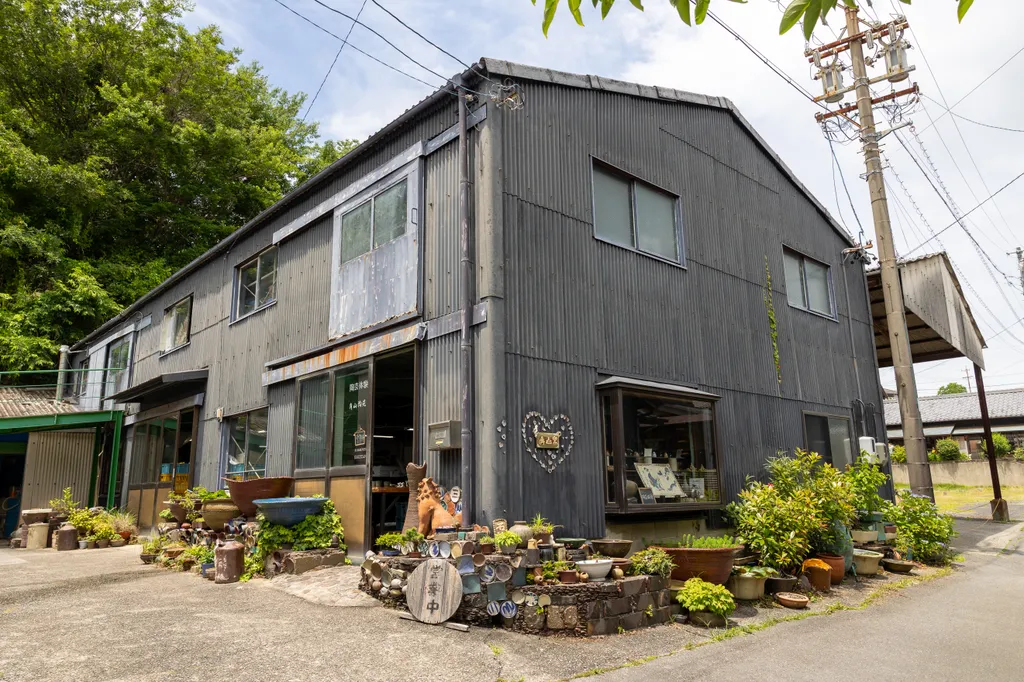
Kakuzan Toen makes bonsai pots, the small pots that hold miniature trees, and its pots are known among bonsai lovers abroad. People usually look at the tree and not the pot. But on its own, a bonsai pot has real character. The shapes and colors vary widely, and a fine one looks handsome and dignified, a piece worth admiring on its own. The workshop is full of these pots and other pieces, and it is a pleasure just to look around.
Here you can also try the electric potter’s wheel and shape your own piece with guidance. Being taught by a family whose bonsai pots are valued even overseas is a rare chance, and a way to feel how much skill sits behind a simple bowl.
Where It Fits in Your Journey
Tokoname is about a five-minute train ride from Chubu Centrair Airport, so it works well on the day you arrive or leave. In half a day you can walk the pottery footpath and visit a workshop. You might end with a cup of tea you brewed yourself, from a teapot made in the workshop you just visited.
FAQ
Where is Tokoname and how far is it from Centrair Airport?
Tokoname is a town in Aichi Prefecture, on the Chita Peninsula. It is about a five-minute train ride from Chubu Centrair Airport.
Why is Tokoname famous?
Tokoname is one of the Six Ancient Kilns of Japan and is known for Tokoname ware, especially teapots. It is also known for its lucky cat figures.
What is the Tokoname pottery footpath?
It is a walking route through the old town. Lucky cats, clay pipes, and shochu bottles are placed along the way.
What can I do at CHADEN?
You tour the workshop with Mr. Hiroyuki Mizuno and learn how a teapot is made. Then you learn how to brew Japanese tea and enjoy it with a sweet.
Can I try pottery in Tokoname?
Yes. Kakuzan Toen offers an electric potter’s wheel class around 1 hour.