
Ushikubi Tsumugi, Woven by Hand in Hakusan
Published
In the mountains of Hakusan, Ishikawa, about ninety minutes by car from Kanazawa, is the village of Shiramine. It was once known as Ushikubi, and the silk woven here for about 800 years still carries that old name: Ushikubi-tsumugi. The silk is known for one surprising thing. It is so strong that if the cloth catches on a nail, the nail comes out before the cloth tears. People call it the silk that pulls out nails.
A silk made from twin cocoons
The strength comes from the thread. Most silk is reeled from cocoons spun by a single silkworm. Ushikubi-tsumugi is woven mainly from tama-mayu, twin cocoons, where two silkworms share one cocoon. The thread they make is thick and uneven, with small knots, and it is too irregular for a machine to reel, so it must be drawn by hand. The weft is this twin cocoon silk and the warp is single cocoon silk, and woven together they give the cloth its toughness.
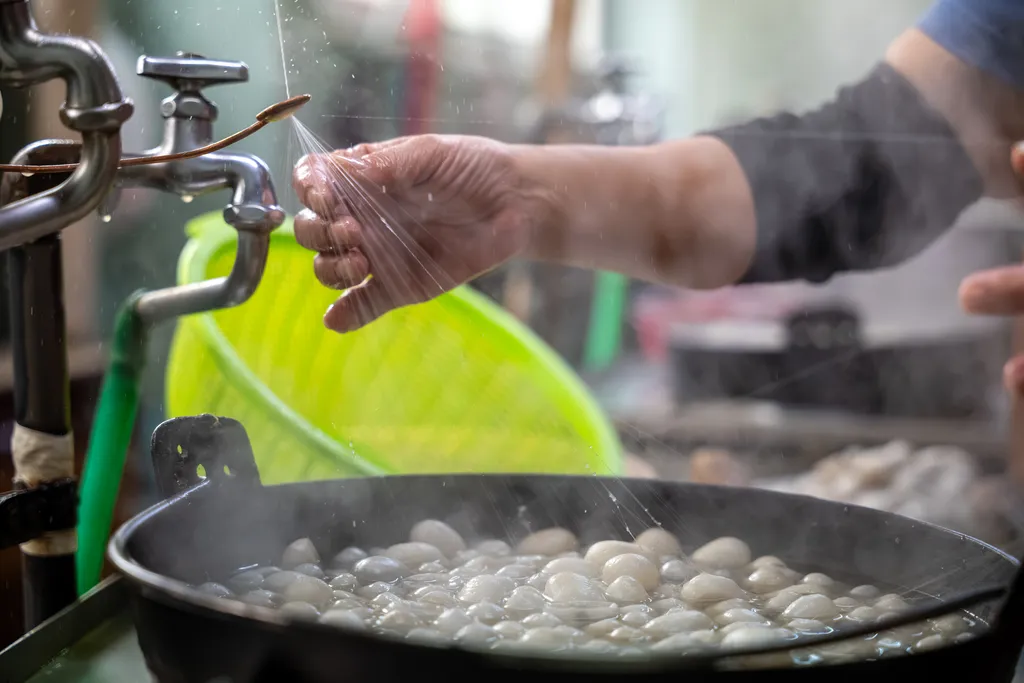
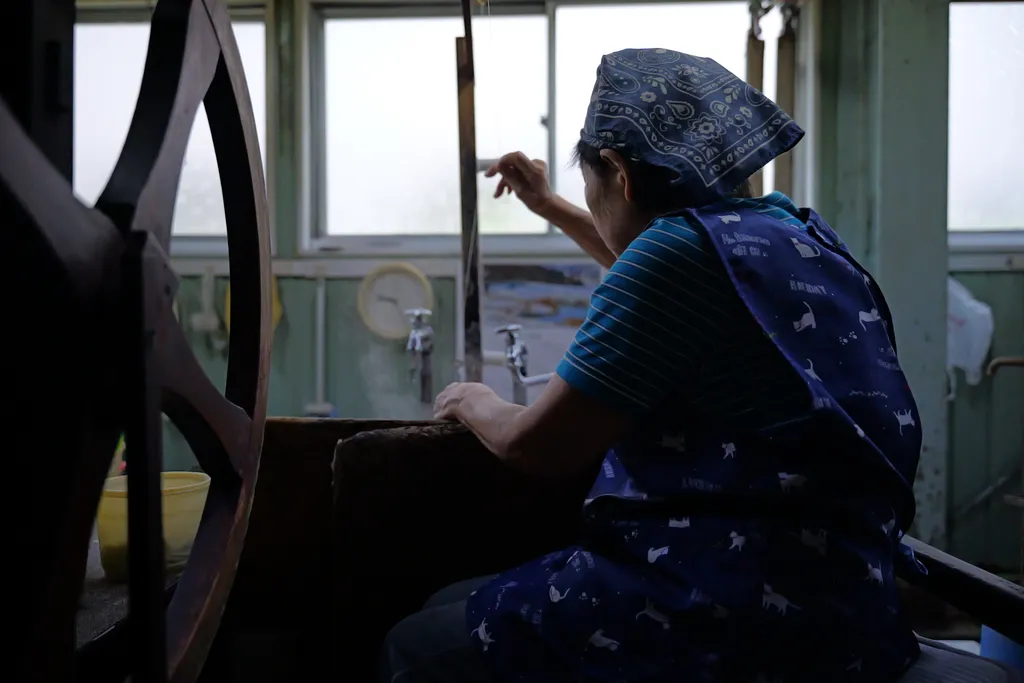
Woven entirely by hand at Kato Teori Ushikubi Tsumugi
Ushikubi-tsumugi is woven at only two workshops today. One of them, Kato Teori Ushikubi Tsumugi, is here in Shiramine, at the foot of Mt. Hakusan, where the winters bring heavy snow. Here every step is done by hand, from the thread to the finished cloth, on a wooden loom worked with the feet. Machines could make cloth faster, but the weaver keeps to the old way for a reason. It is how the tradition stays alive, and twin cocoon thread cannot be made any other way.
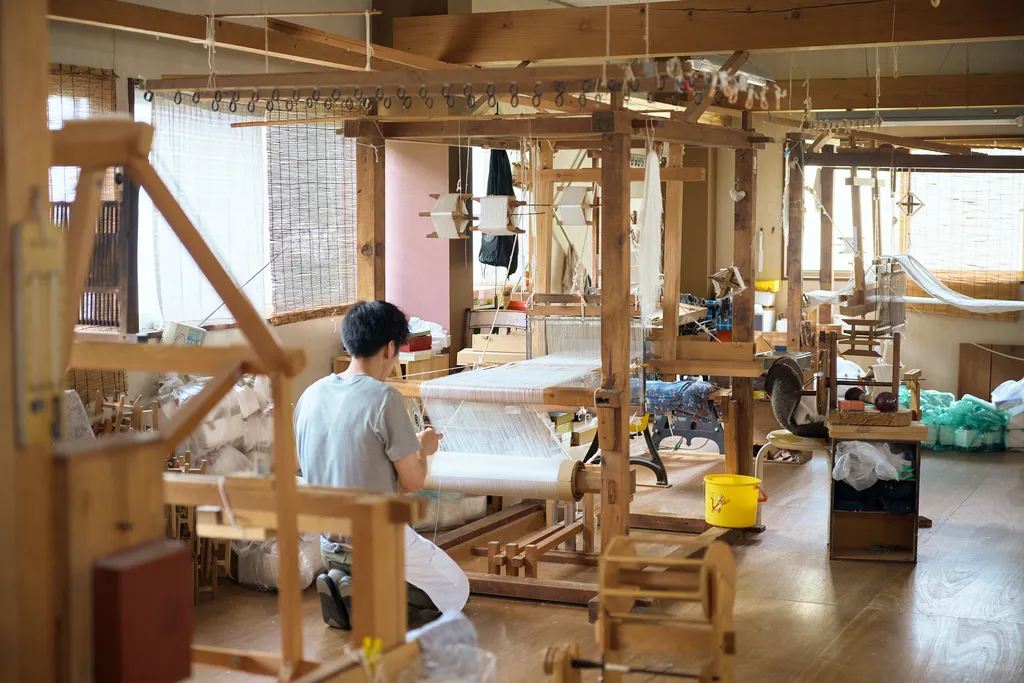
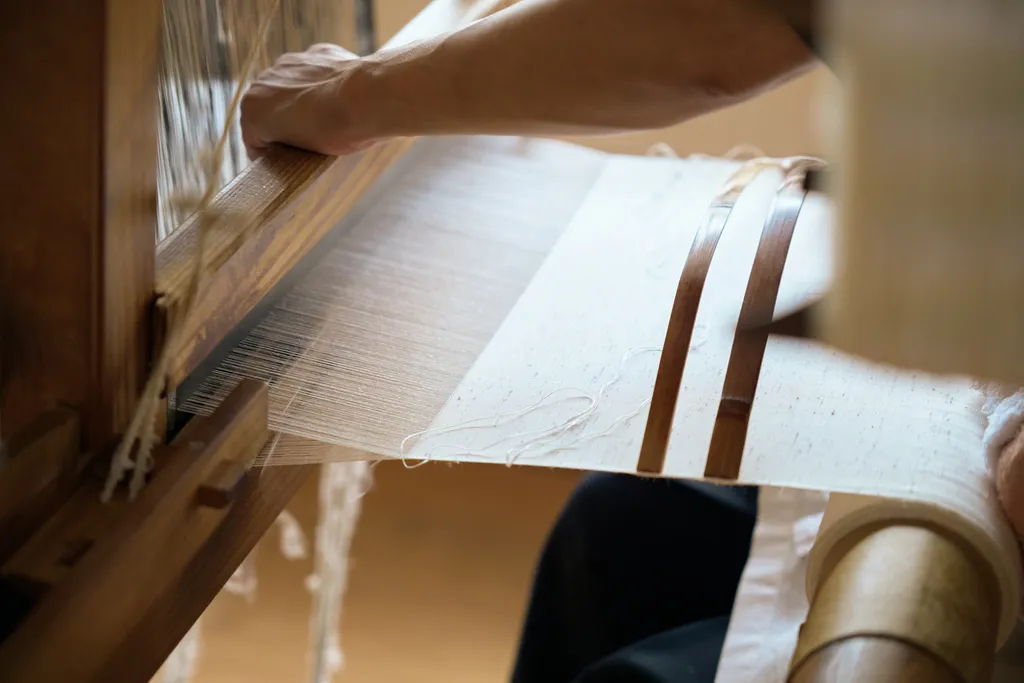
Woven white, then dyed your own color
Here the cloth is dyed only after it is woven, in the traditional way. Many kinds of tsumugi dye the threads first and then weave the pattern, but Ushikubi-tsumugi is woven as a plain white cloth, with no pattern, and the color is added later. This means it can be dyed to the color you choose, so each piece is one of a kind. For the weaver, this is the heart of the craft. Mr. Kato, who leads the workshop, says it is a great happiness to wear something dyed in your own color, made by old hand methods.
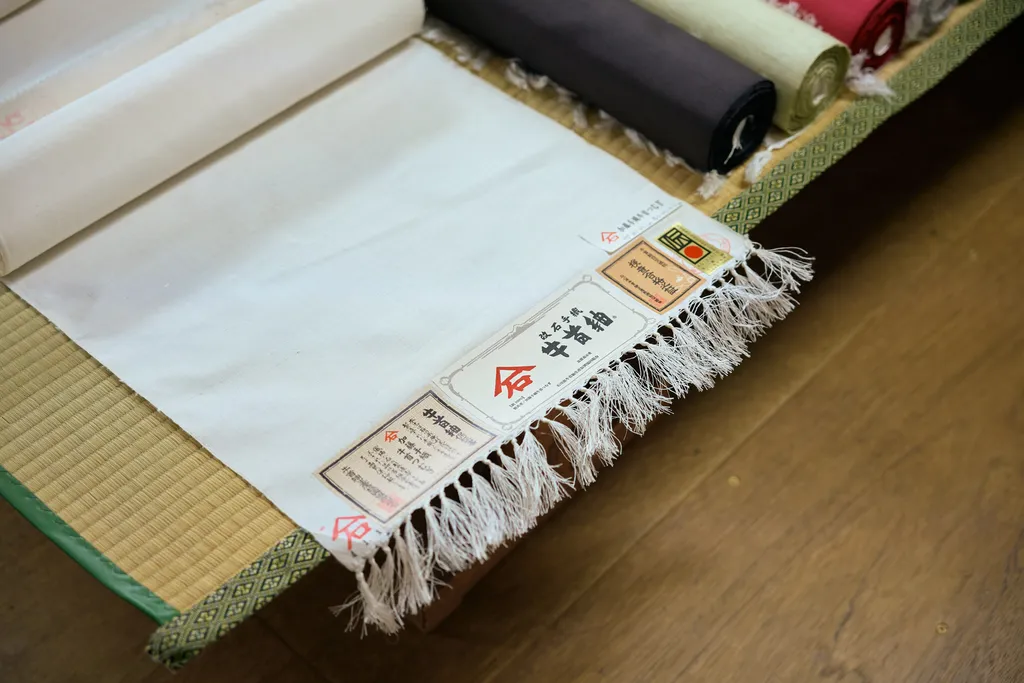
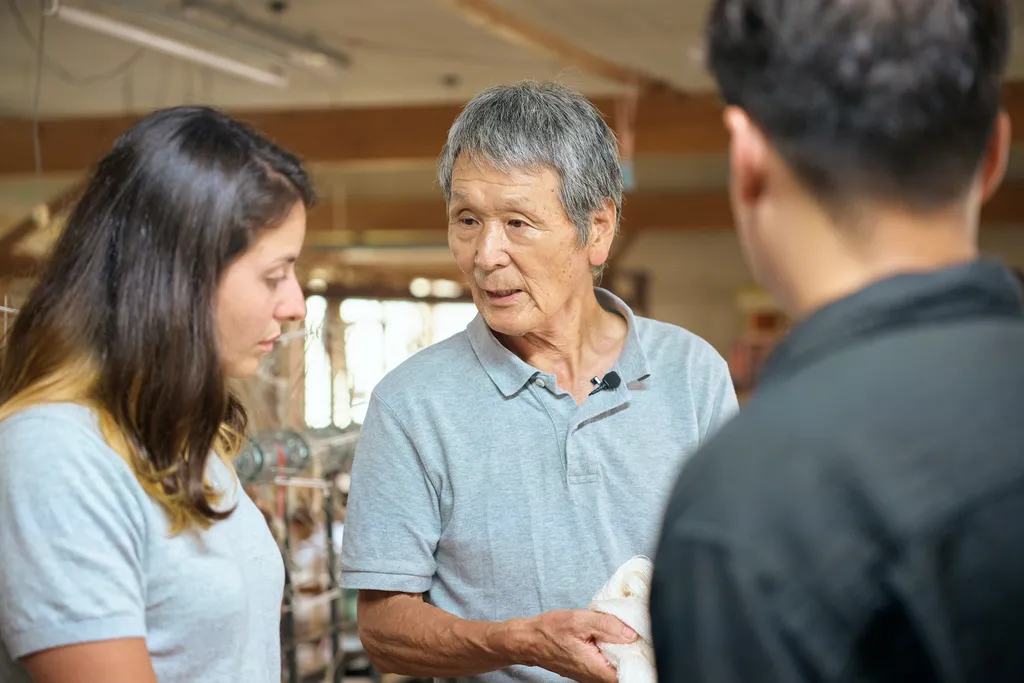
Visit the workshop on a journey through Hakusan
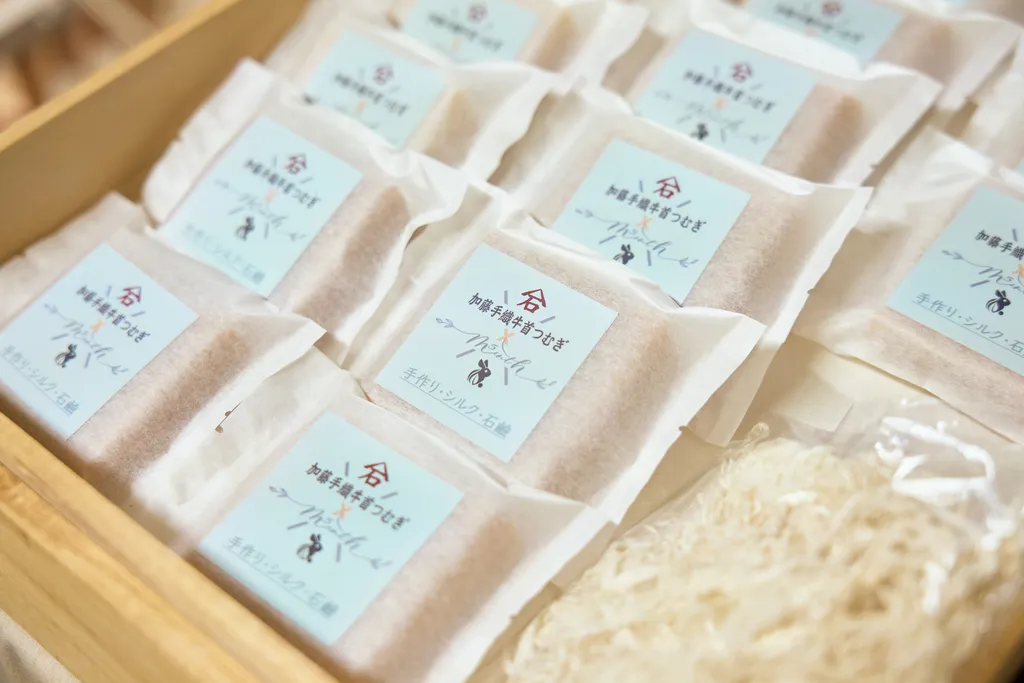
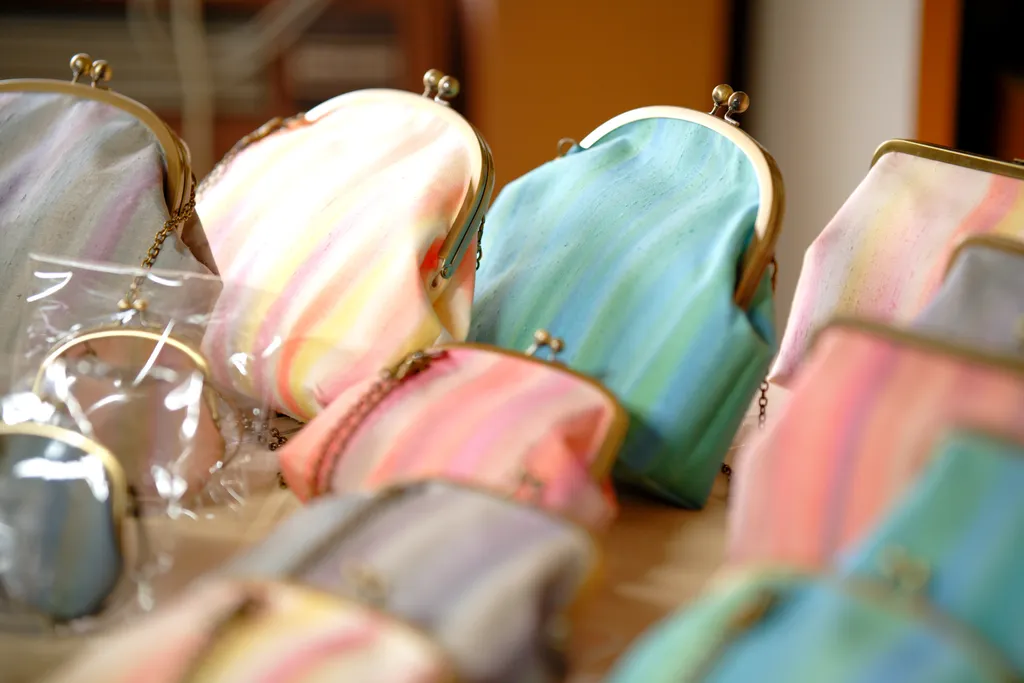
At the workshop you can watch the weaving up close, see the white cloth before it is dyed, and talk with the people who keep this craft alive. They use every bit of silk here, turning leftover thread into pouches, bags, and a silk soap that is gentle enough for children and leaves the skin smooth. A visit fits well into a journey through Hakusan, with a prayer at Shirayama Hime Shrine and a night at the ENNU auberge in the mountains, where the same silk soap is set out for guests to try. We can arrange it as part of your bespoke trip.
FAQ
What is Ushikubi Tsumugi?
It is a rare silk woven by hand in the village of Shiramine, in the mountains of Hakusan, Ishikawa. It has about 800 years of history and is woven mainly from twin cocoon silk.
Why is it so strong?
It is woven from twin cocoon silk, a thick and sturdy thread. The cloth is so tough that if it catches on a nail, the nail comes out before the cloth tears.
What makes it different from other tsumugi?
Many kinds of tsumugi dye the threads before weaving. Ushikubi Tsumugi is woven as a plain white cloth and dyed afterward, so it can be finished in the color you choose.
Where is the workshop and how do I get there?
Kato Teori Ushikubi Tsumugi is in Shiramine, in the mountains of Hakusan, about ninety minutes by car from Kanazawa.
What can I do at the workshop?
You can watch the weaving up close, see the white cloth before it is dyed, and meet the people who keep the craft alive. The workshop also makes pouches, bags, and a gentle silk soap from silk.